
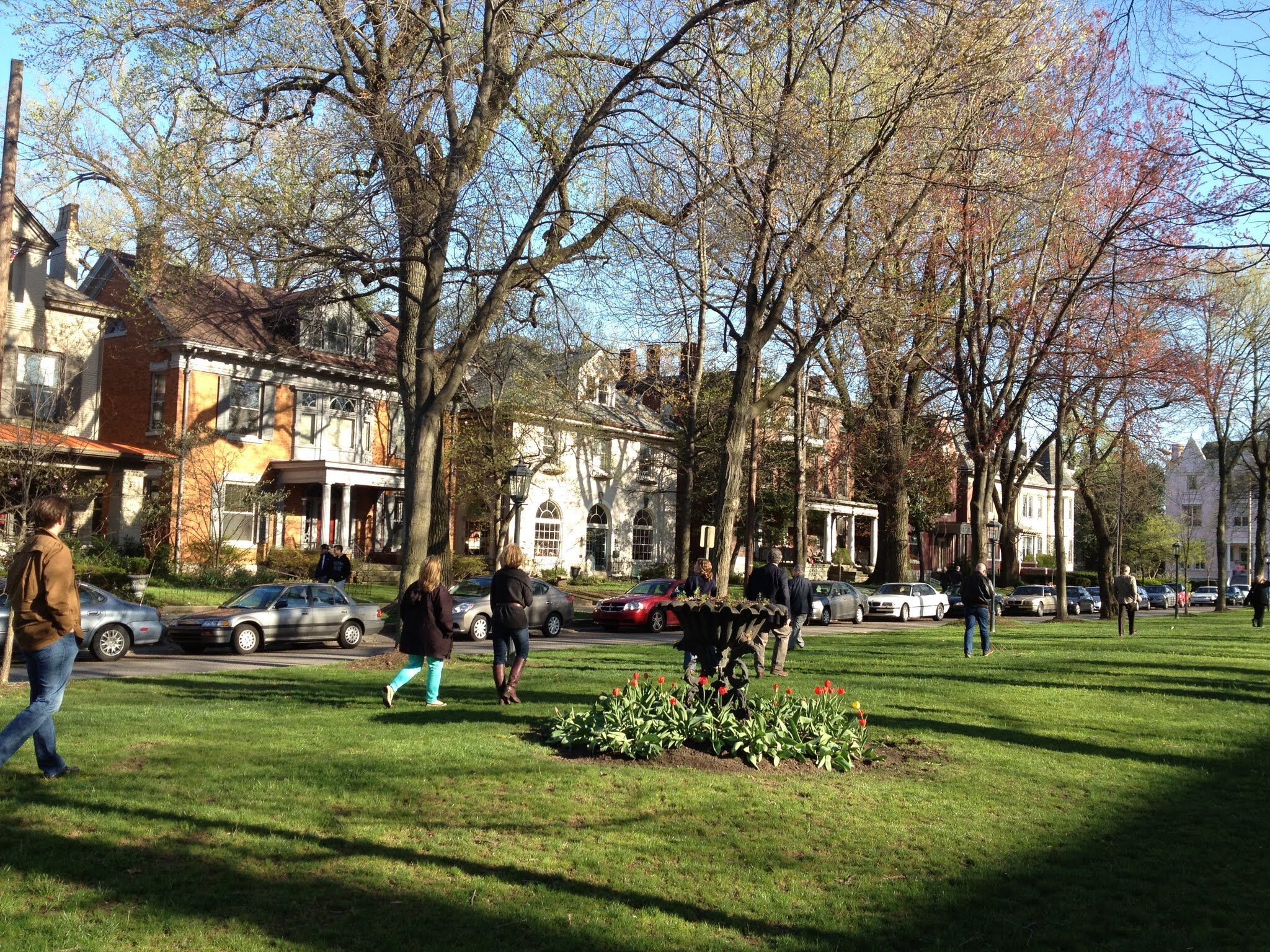

Our current built environment which was once meant for people and worked to integrate with nature doesn’t seem to be designed for people or nature anymore. Since the advent of the assembly line and the mass production of the automobile in 1913 the built environment in the United States has changed. These changes did not happen all at once; they have occurred over time in a subtle fashion. These changes have caused a shift in development practices that have moved away from people and nature.
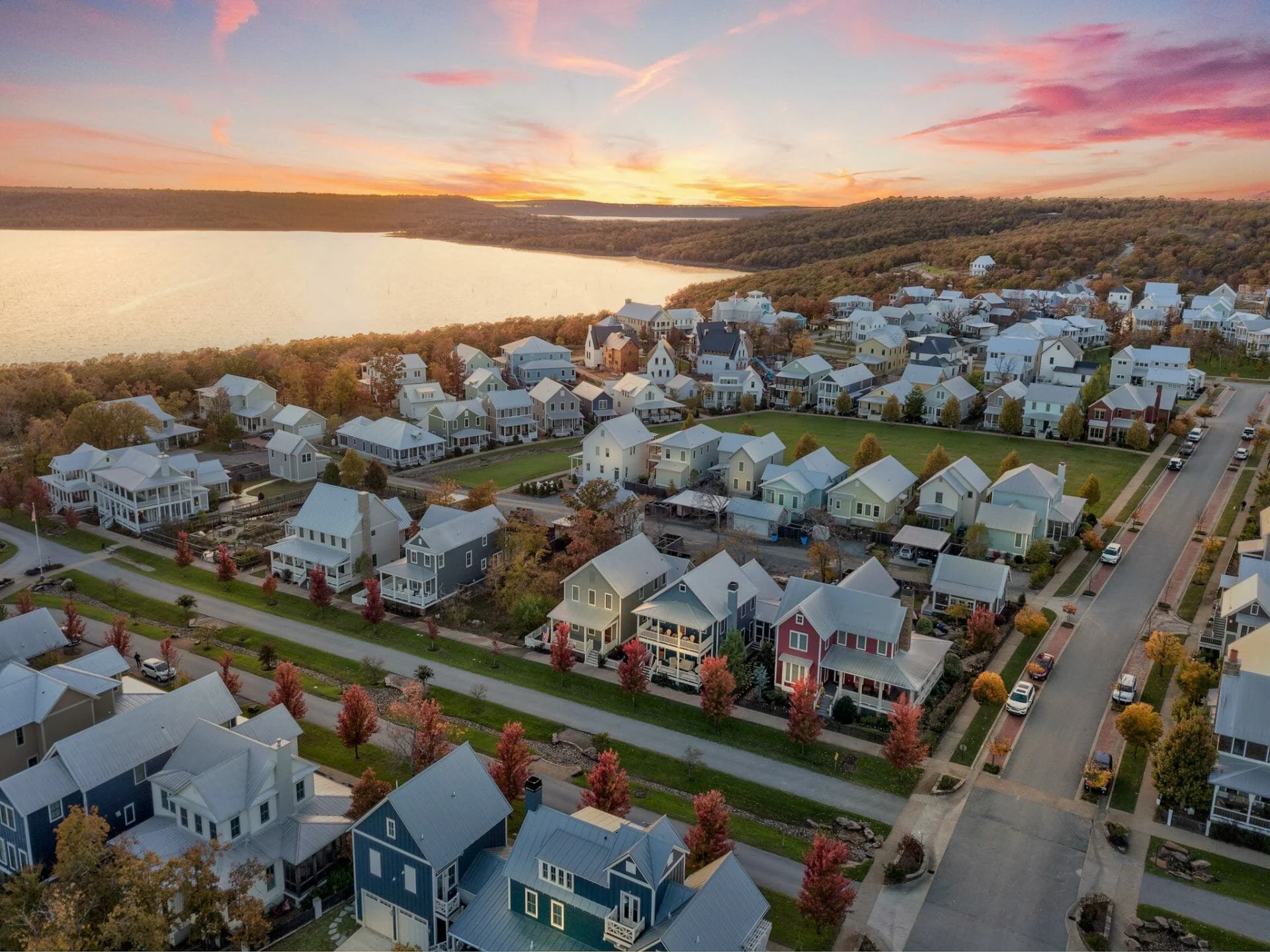


For thousands of years, it was required of human beings to live in harmony with nature. Nature’s laws governed human behavior. If those laws weren’t followed, then human lives were lost. It has only been within the past couple hundred years that the attitudes towards nature’s laws have changed. With scientific discoveries, improving engineering practices, and industrialization human beings have begun exhibiting behavior which suggests they know better. The paradox in this collection of attitudes is that the rules have not changed, but the stakes are now much higher regarding the blatant disobedience to nature’s laws.
…there are three common characteristics in someone that is a successful entrepreneur – they are imaginative (innovative and creative), conscientious (disciplined and focused) and ‘disagreeable’.

The opportunity for Salt Lake City to host CNU 21 opened up some extremely unique opportunities to hold discussions combining the topics of faith and community because the city itself served to justify as a back drop for the combination. Introductions have now been made between Salt Lake City, the LDS Church, and new urbanism. The question is now, what will each do with the newly formed relationship? The opportunities for doing good are tremendous only IF each recognizes the benefits that can be shared by their newly found “friend.”
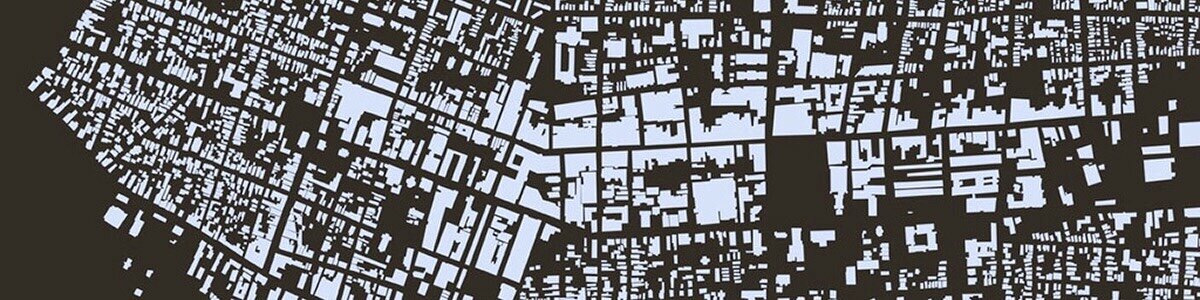
Albert Einstein once said, “We cannot solve our problems with the same thinking we used when we created them.” In order to solve our present challenges with growth, transportation, sustainability, consumer market demands, demographic changes, and how these items affect the design and development of our built environment we have to think and work differently. If we want to solve the problems that we currently face we can’t expect to do so by using the tools that led us to where we are today.

New Urbanism is a movement dedicated to the advancement of specific principles that serve to ensure that we build places which make our society stronger, protect our environment, and make economic sense. As outlined in the Charter of the New Urbanism its goals (in part) are in developing communities with mixed housing types, mixed use, appropriate allocation of density, interconnected streets making the community more walkable, and an identifiable center and edge. New Urbanism wants to put “unity” back into community.

Much of the past seven years has been spent working on an alternative zoning & entitlement tool that I call a “Community Development Code” (CDC). The CDC is a system built for community building – more specifically, the creation of complete neighborhoods and centers that utilize successful practices of historic settlement patterns while simultaneously accounting for both nature and existing/adjacent development.


Our development patterns are the culprit in whether a ward (or a neighborhood) is going to function in a sustainable manner. The homogeneous elements of DNA in our present development patterns make it difficult to impossible to deliver well-balanced and positively functioning neighborhoods. To deliver a neighborhood which is made up of a diversity of housing types within its boundaries is virtually obsolete. Zoning practices (the DNA of our development patterns) require the homogeneous delivery of housing.


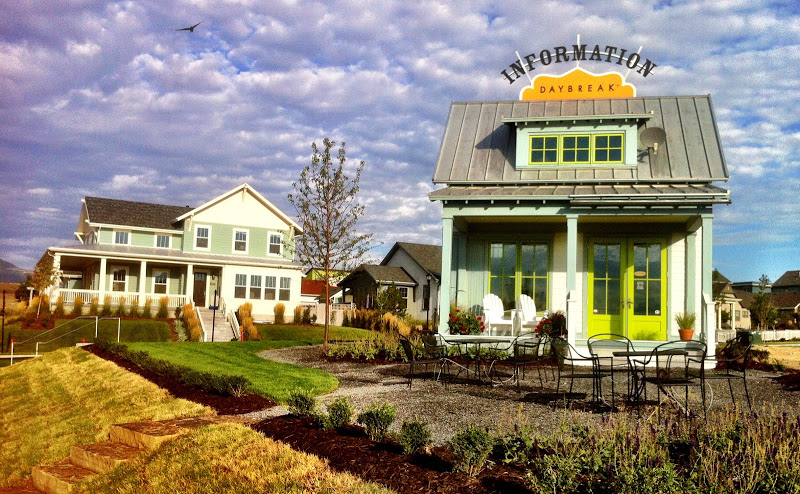
Anyone that visits Daybreak will quickly and easily recognize that it is different from the more common suburban neighborhoods that are the status quo along the Wasatch Front. I also know that not everyone is interested or would be comfortable living in Daybreak. For me, Daybreak works extremely well because it provides all of the things that a suburban neighborhood is unable to provide.


Much of what we experience in regards to our built environment consists of places (body) which are devoid of people (soul) because the ill-intended output in many cases is that of creating a machine as opposed to a living organism. Much of what is developed, using current practices, creates horror film conditions – environments that are arguably best suited for the undead, rather than the living.


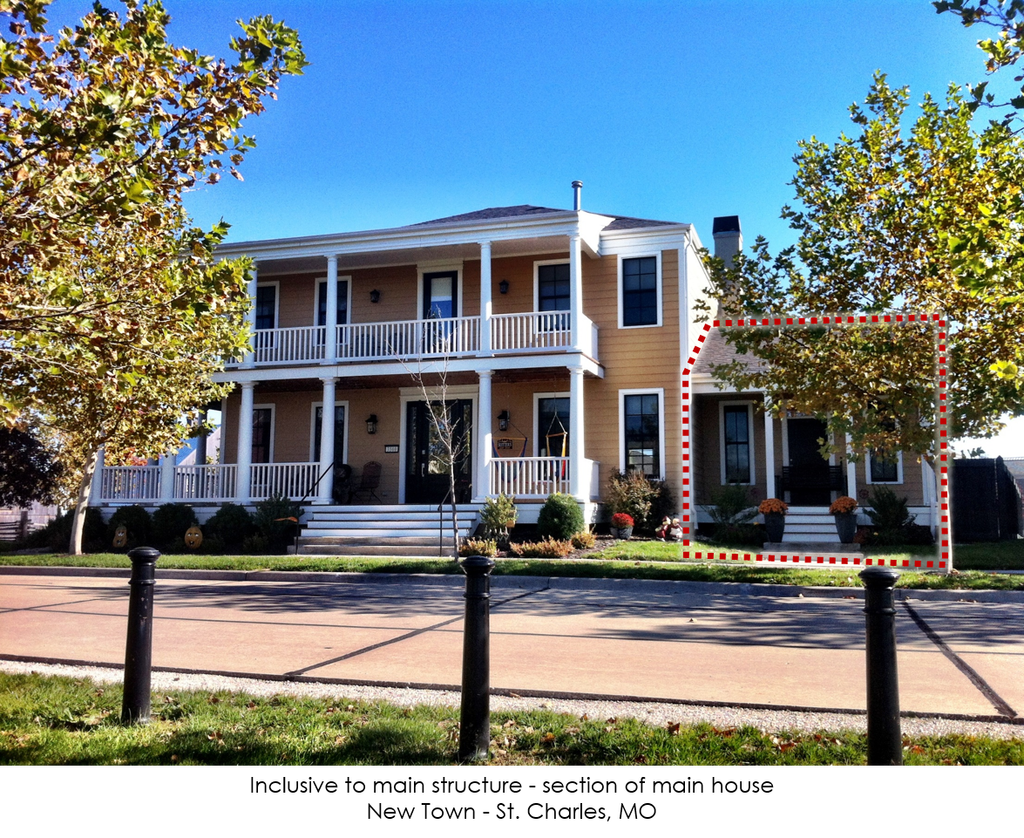
Accessory units are the most effective way of providing density within a neighborhood while simultaneously providing the lightest impact to the neighborhood. It allows the property owner to be selective of the occupant because they are sharing space and utilities. It allows for the property owner to subsidize their own mortgage with the rent from the accessory unit.


