

The Forgotten Covenant
For thousands of years, humanity lived under an unspoken covenant with the land. It was not written in law or scripture but embedded in the rhythms of survival itself. Nature set the rules, and those rules were obeyed — not out of reverence, but necessity. When they were broken, the consequences were swift and unforgiving: drought, famine, flood, collapse.
Only in the last two centuries have we dared to believe we might outthink the planet. Armed with technology and driven by confidence, we began to treat nature as something external to human life — a system to be controlled, shaped, and optimized. The paradox, of course, is that while our power has grown, our dependence has not diminished. The rules of nature have not changed. Only our arrogance has.
This illusion — that we can dominate what sustains us — has become the silent operating system of modern development. It governs not just HOW we build, but WHY we build. And nowhere is this dissonance more visible than in the way we treat land.
The Inversion of Wisdom
The structure of modern land development follows a sequence so deeply ingrained that few ever question it:
POLICY → DESIGN → LAND
First, the policy: zoning, density limits, infrastructure standards. Then, the design: an engineered response to the rules of policy. Finally, the land: reshaped to comply and conform with what policy and design demand.
In this order, land is treated not as teacher, but as an obstacle — a problem to be solved, a blank page awaiting our instruction. Natural slopes are cut, streams diverted, soils compacted, and ecosystems erased, all in the name of “efficiency.”
This inversion of priorities is not simply a matter of aesthetics or environmental sensitivity; it is a moral and structural failure. It replaces reverence with regulation, and wisdom with compliance. When policy dictates design, and design subjugates land, the result is not community — it is commoditization.

The Consequence of Reversal
When the development process begins with policy, it becomes a numbers game — an equation of yield, setbacks, and densities. Design, under these terms, ceases to be an act of imagination and becomes an act of engineering: how to extract the maximum allowable value from a parcel of ground.
The land itself — the living surface of the planet — is silenced.
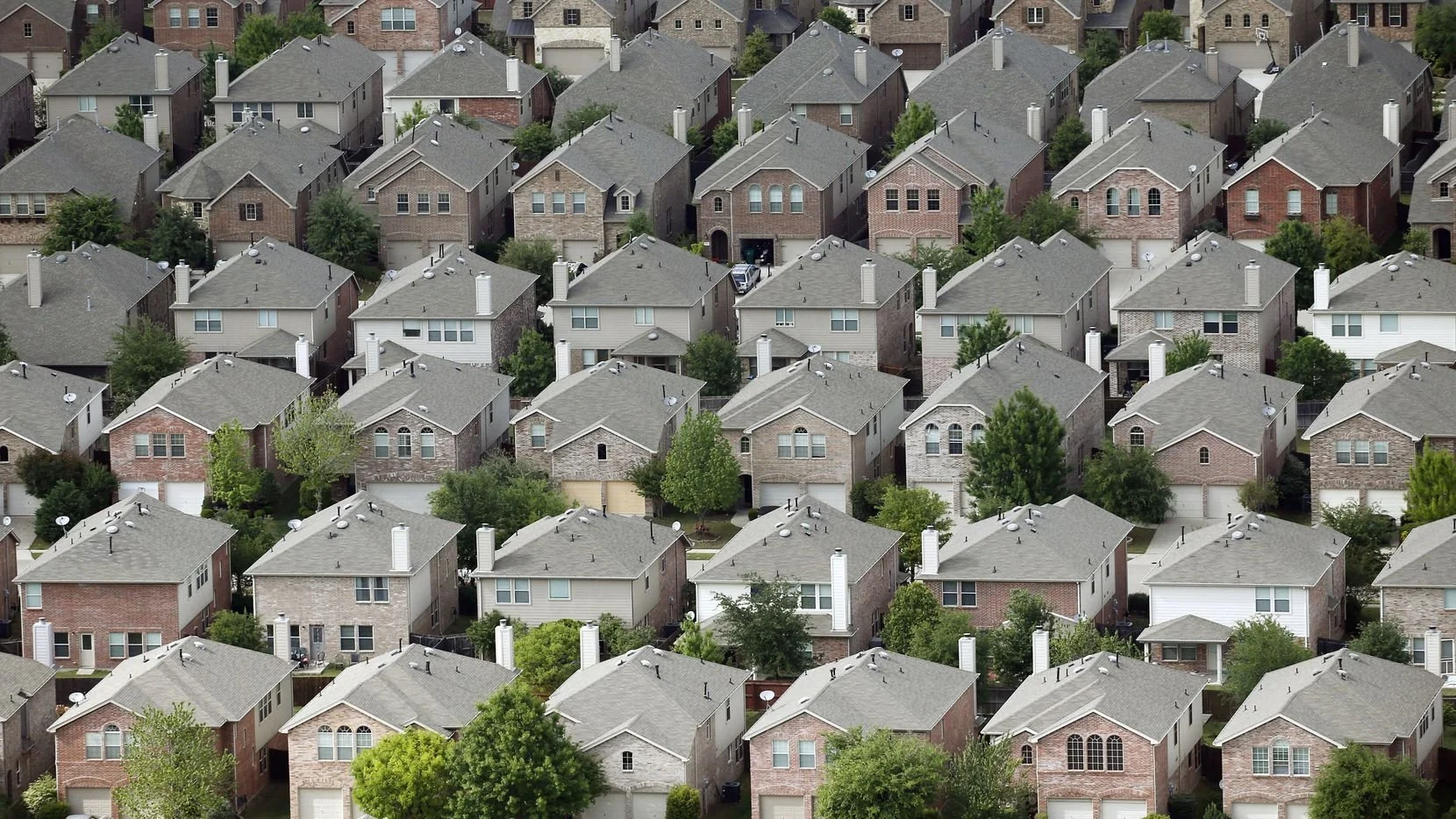
In this system, the most powerful voices are those least connected to place. Policy originates in distant rooms; design decisions are filtered through compliance software; the land is spoken ABOUT, not WITH. The result is habitat in disunion — neighborhoods that sit upon the earth but do not belong to it.
And yet, the earth remembers. A street built over a wetland will heave and crack. A house built on filled soil will settle and split. A subdivision carved from a hillside will erode and fail. Nature, patient but unsentimental, enforces its laws eventually.
A Different Order of Things
To reverse the pattern of damage, we must reverse the order of creation.
LAND → DESIGN → CODE
The land must come first. It must be read, not be erased. Its contours, drainage patterns, soil types, and ecological communities are not obstacles but instructions — nature’s own design brief. The developer becomes not a conqueror, but a translator; the planner not a regulator, but a listener.
From that listening, design can emerge organically — buildings that fit the terrain, streets that follow topography, open spaces that preserve natural flow and beauty. Only after design aligns with land should code be written, as a codification of respect.
This is not romantic idealism. It is the rediscovery of proportion — the natural law of balance that once guided all human settlement.
The Land as Instructor
Every parcel of land has a personality. Some are gentle, some resistant. Some invite habitation; others demand protection. True designers know how to read the cues — the direction of light, the flow of water, the strength of soil, the whisper of wind.
The land does not speak in zoning language, but in geometry and time. It tells us where to place the street, where to open the view, where to stop. When we honor that instruction, the result is harmony — not just aesthetic, but functional and economic.
Neighborhoods built in accordance with the land endure because they work with their environment, not against it. Drainage costs fall. Maintenance burdens lighten. Residents feel instinctively at peace, even if they cannot articulate why.
The land, when respected, returns the favor.

The Steward’s Oath
To be a developer, a planner, or a policymaker in this new era is to become a steward of the land — a custodian of its form, memory, and possibility.
This stewardship begins not with law, but with gratitude. Every act of development takes from the earth. The question is whether it takes thoughtlessly or with care.
The developer’s oath for the coming century should be simple:
First: do no harm to the land.
Second: let the land inform design.
Third: let code protect what design reveals.
Anything less is merely extraction — an outdated reflex from an age that confused dominion with progress.
Conclusion: The Reversal of Reverence
The true “great reversal” in housing is not just economic or demographic — it is spiritual. It is a reordering of allegiance.
The future depends on our ability to place land back at the center of the human story — to remember that our prosperity begins and ends with the ground beneath our feet.
When land leads, design listens, and code follows, we move from domination to harmony, from commodity to community, from arrogance to stewardship.
In that return to reverence lies the possibility of renewal — for our cities, our neighborhoods, and our shared ground.