
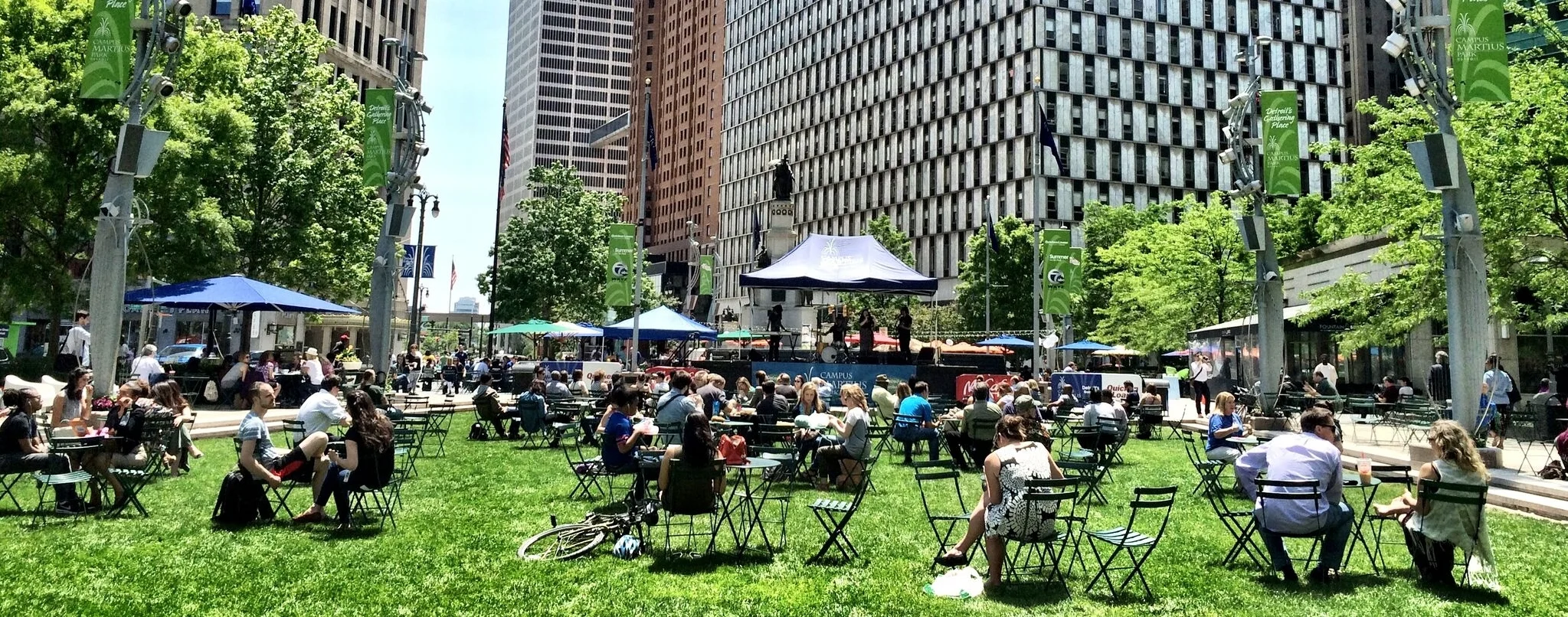
We Work with You to Create, Build, and Deliver Communities
Communities are not created by accident. They are shaped by the land, formed by design, governed by codes, tested by economics, and sustained by the people who call them home.
Commun1ty.one, believes the built environment should be more than a collection of lots, streets, buildings, utilities, and transactions. It should become a human habitat: a place where daily life can unfold with dignity, connection, responsibility, opportunity, and beauty.
Our work begins with a simple conviction: housing is not enough by itself. A house may shelter a household, but a neighborhood shapes a life. The value of a place is not measured only by the number of units it contains or the efficiency with which land is absorbed. It is measured by whether the place can support belonging, adaptability, economic life, civic trust, environmental fit, and generational continuity.
We work with landowners, developers, municipalities, builders, institutions, and citizens to create places that are both practical and meaningful. We care about fiscal discipline because communities must be economically durable. We care about design because physical form shapes behavior. We care about codes because rules determine what can be built. We care about markets because places must respond to real demand. And we care about long-term community health because the decisions made today become the inheritance of tomorrow.
Our goal is not simply to package commodities. Our goal is to help create communities.
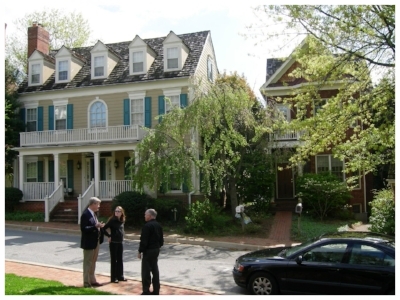
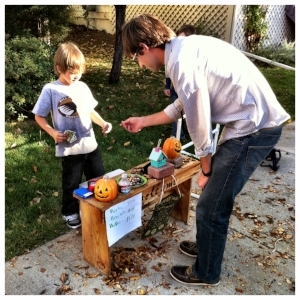
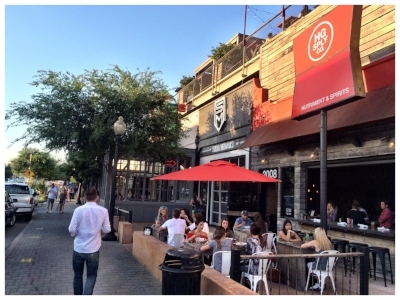
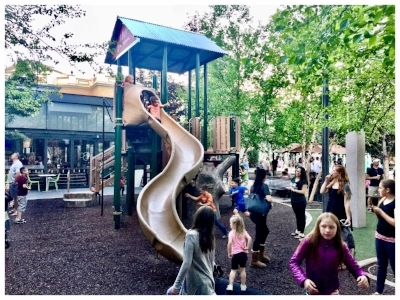
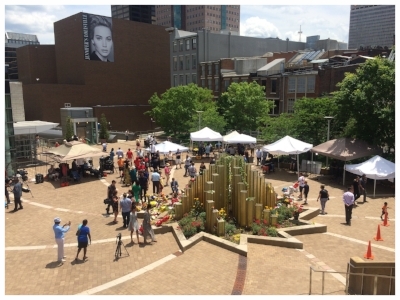
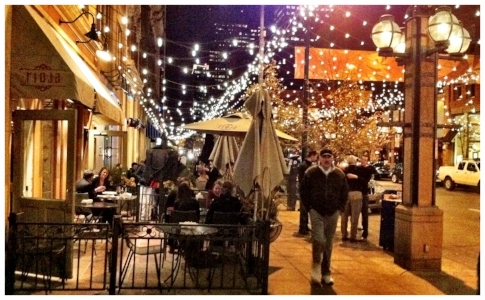
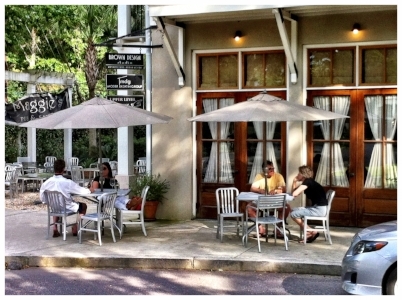
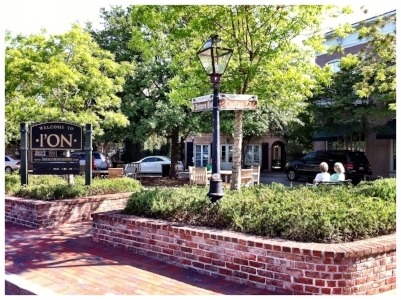
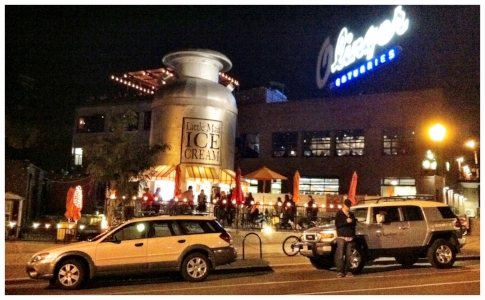
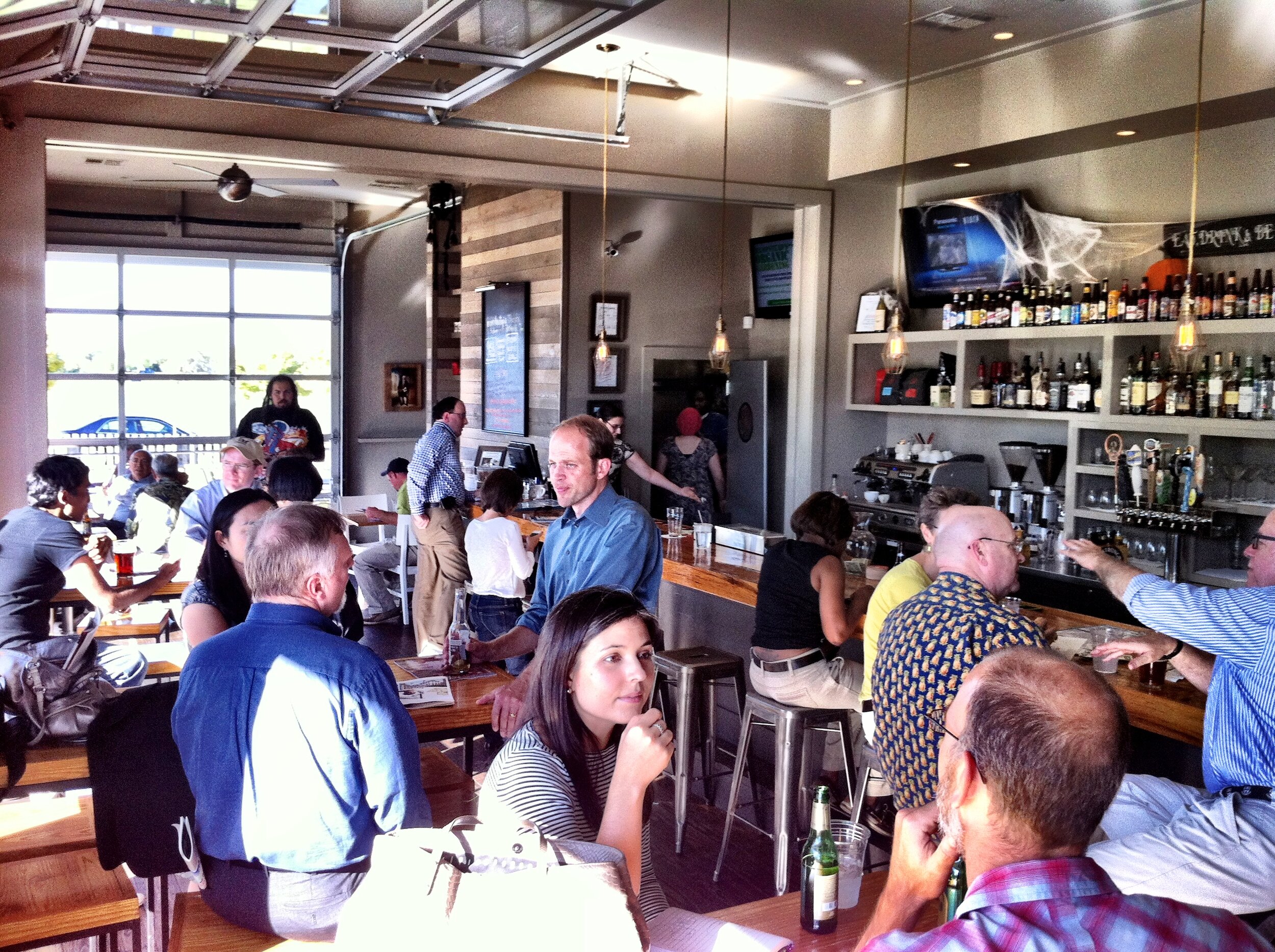
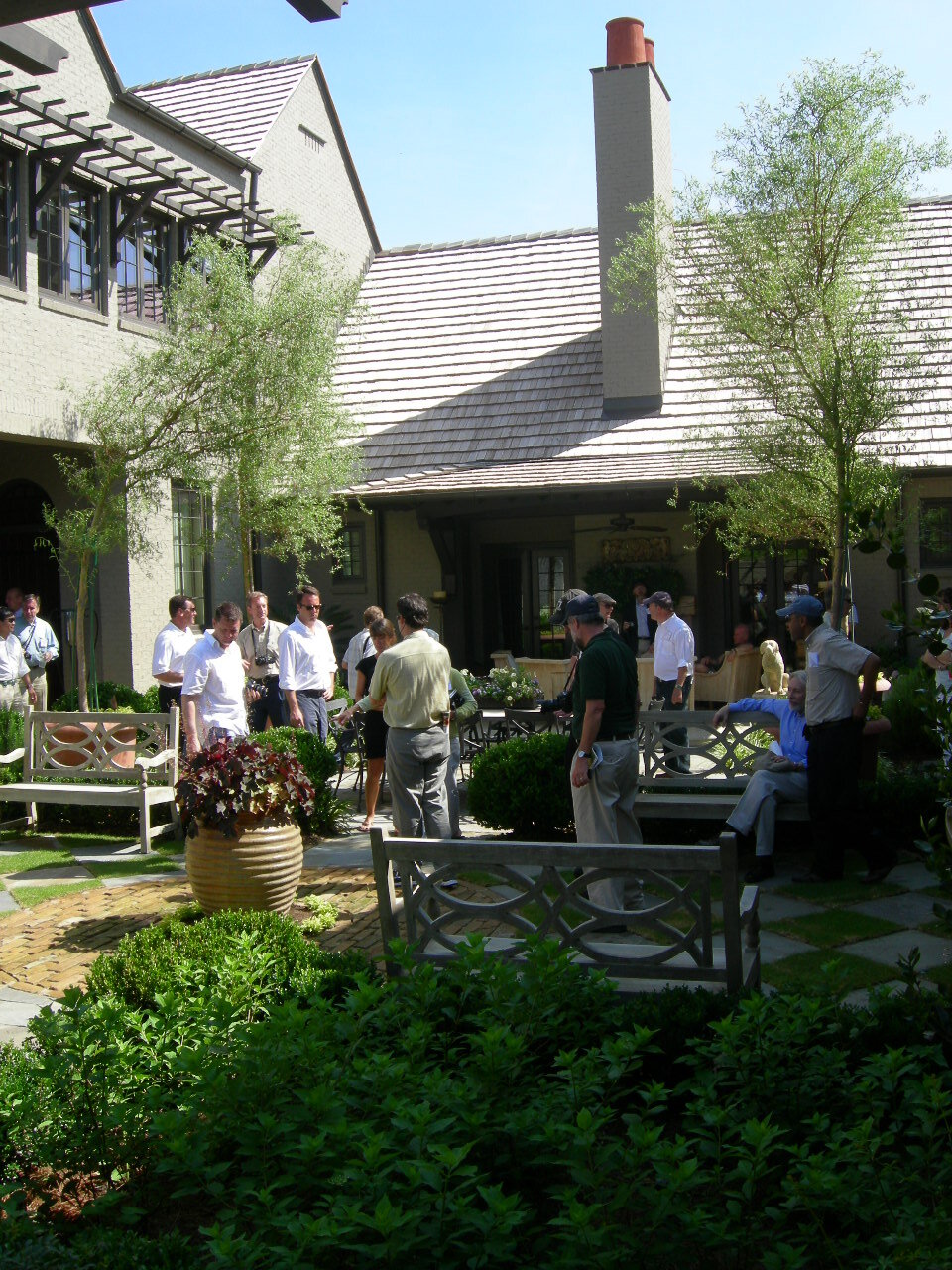
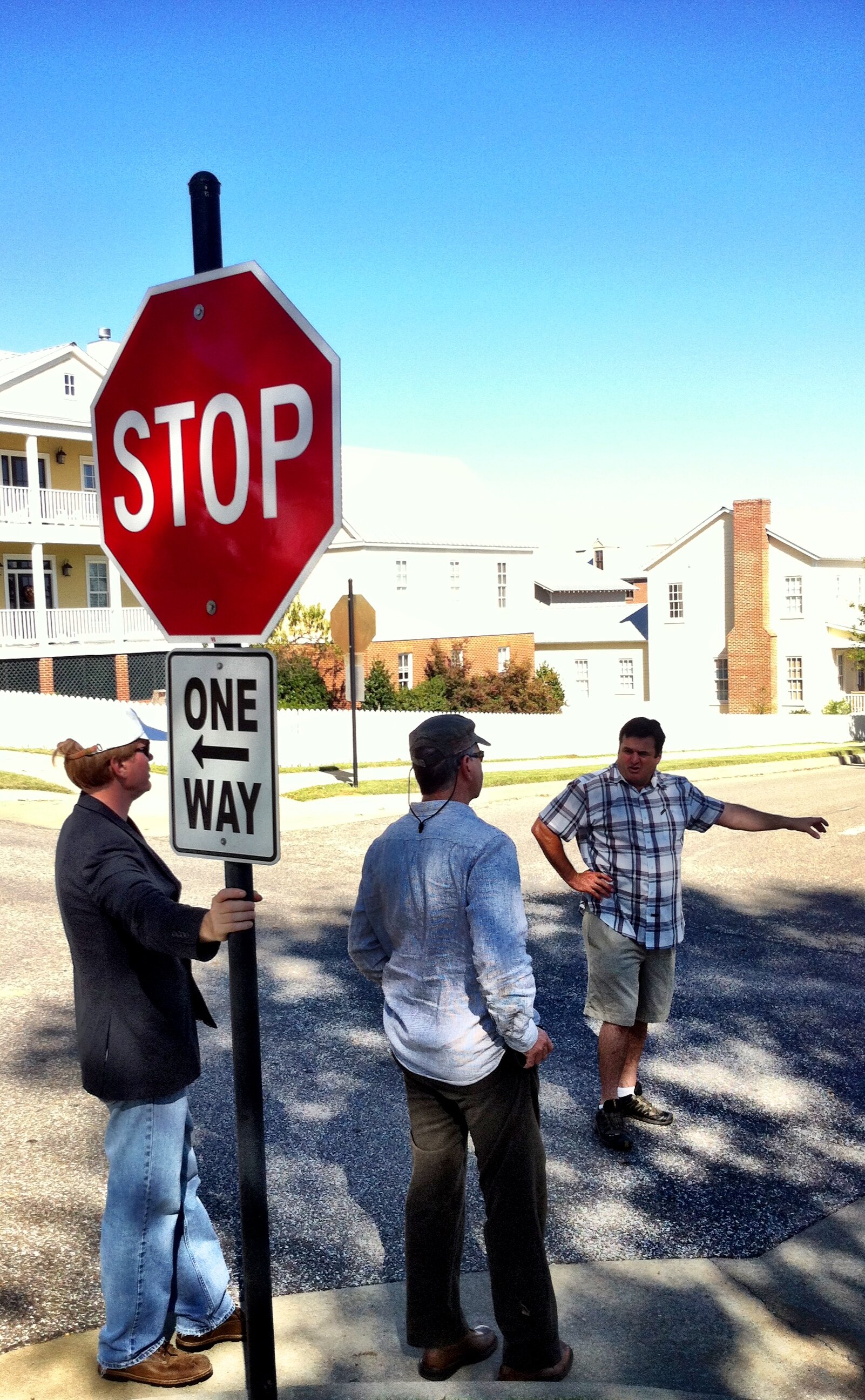
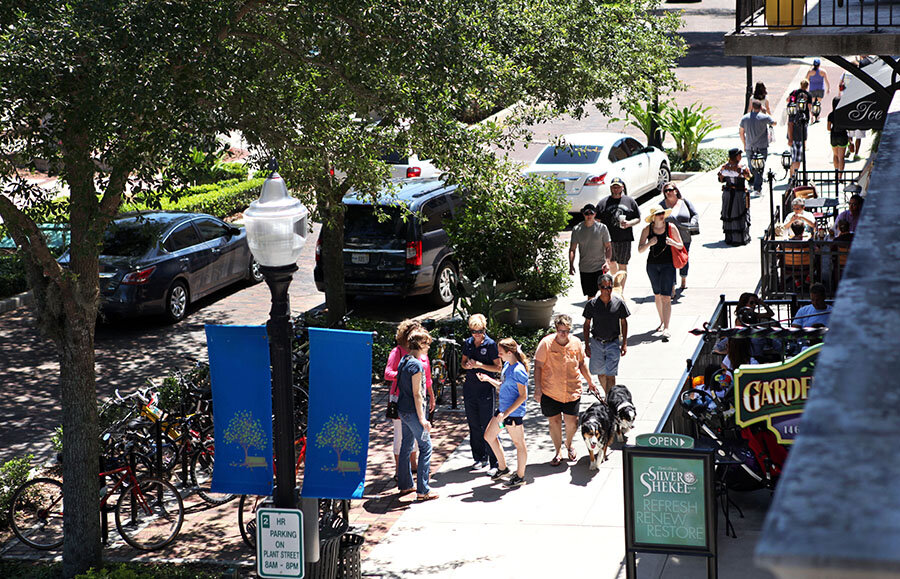
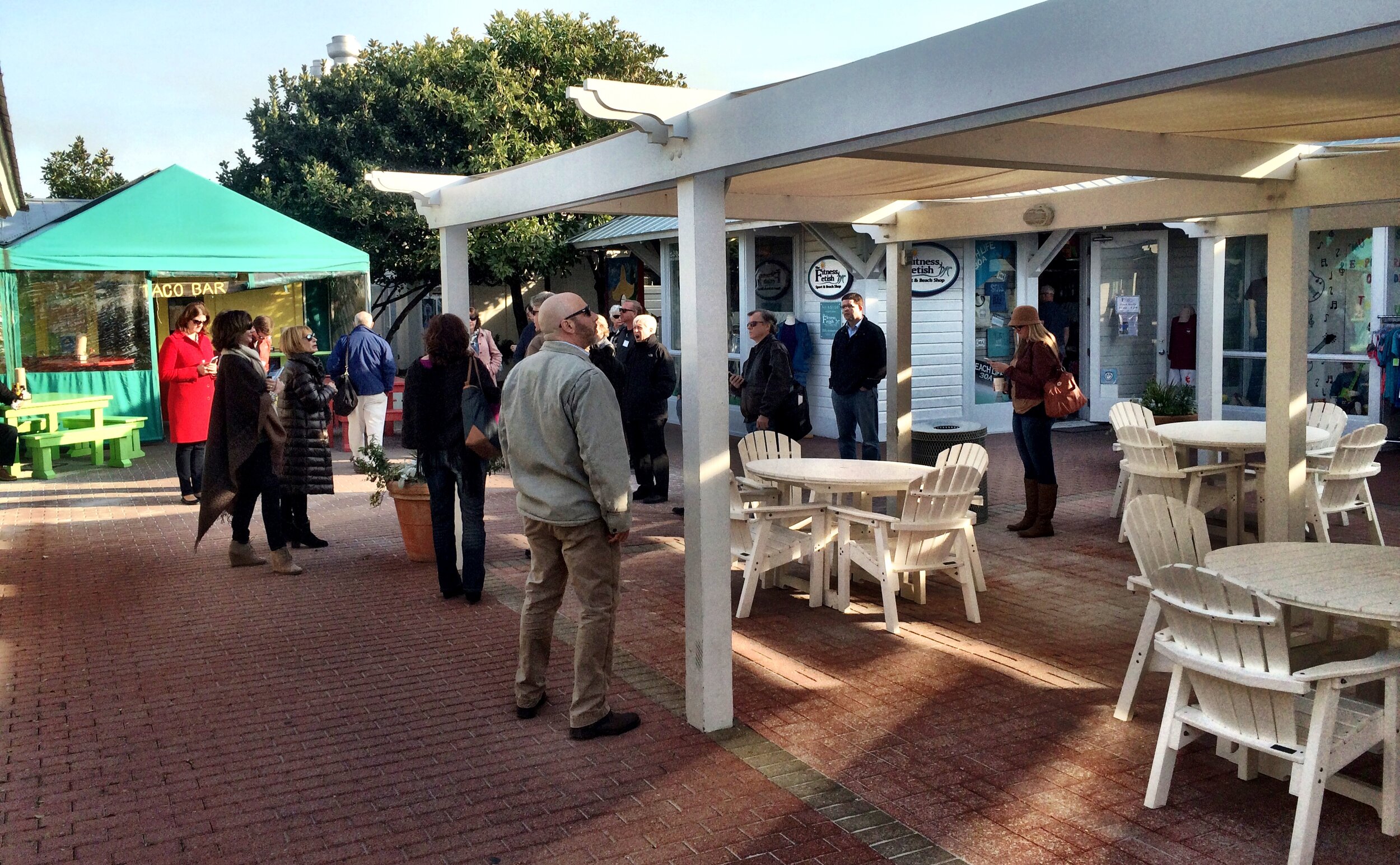
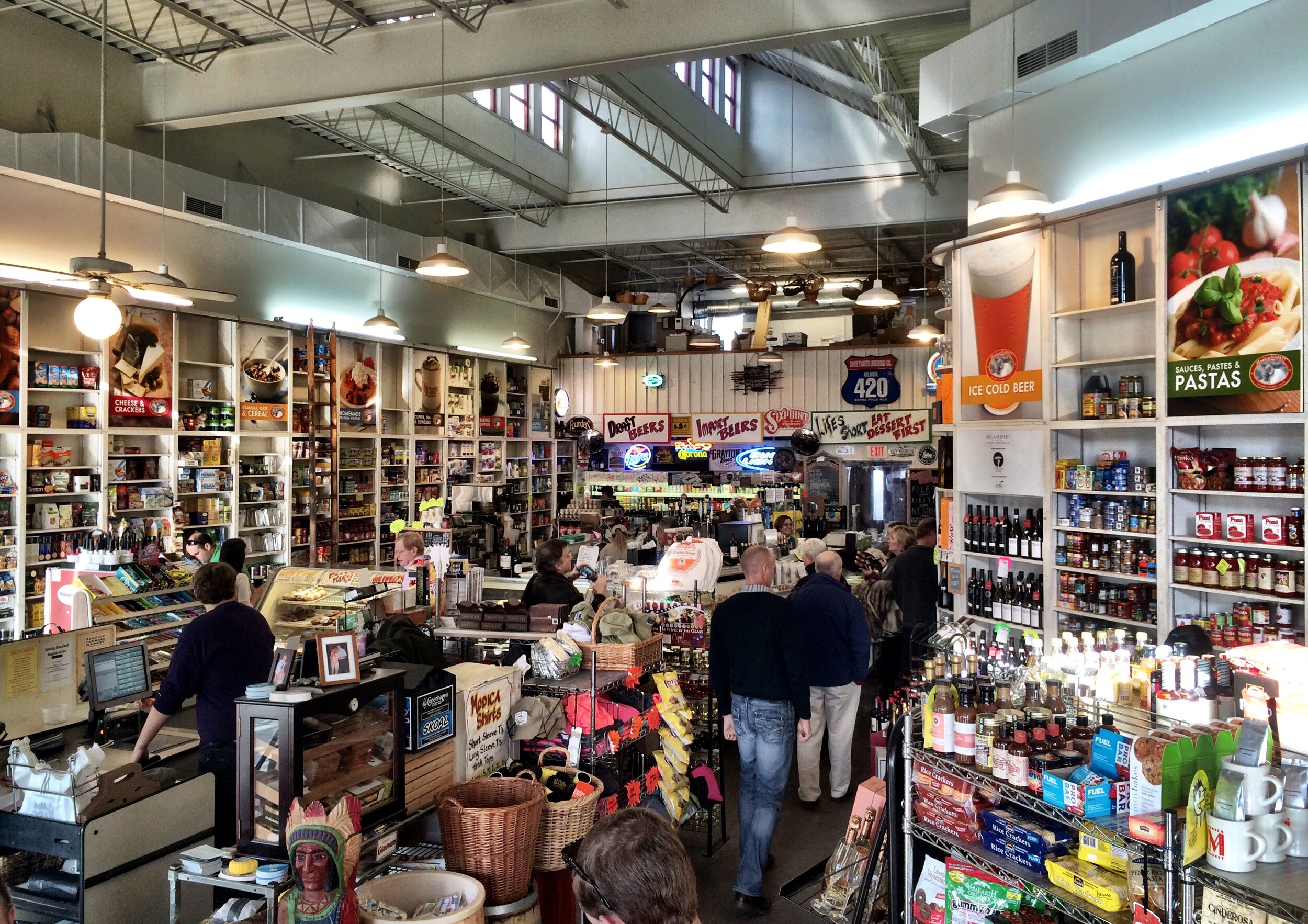
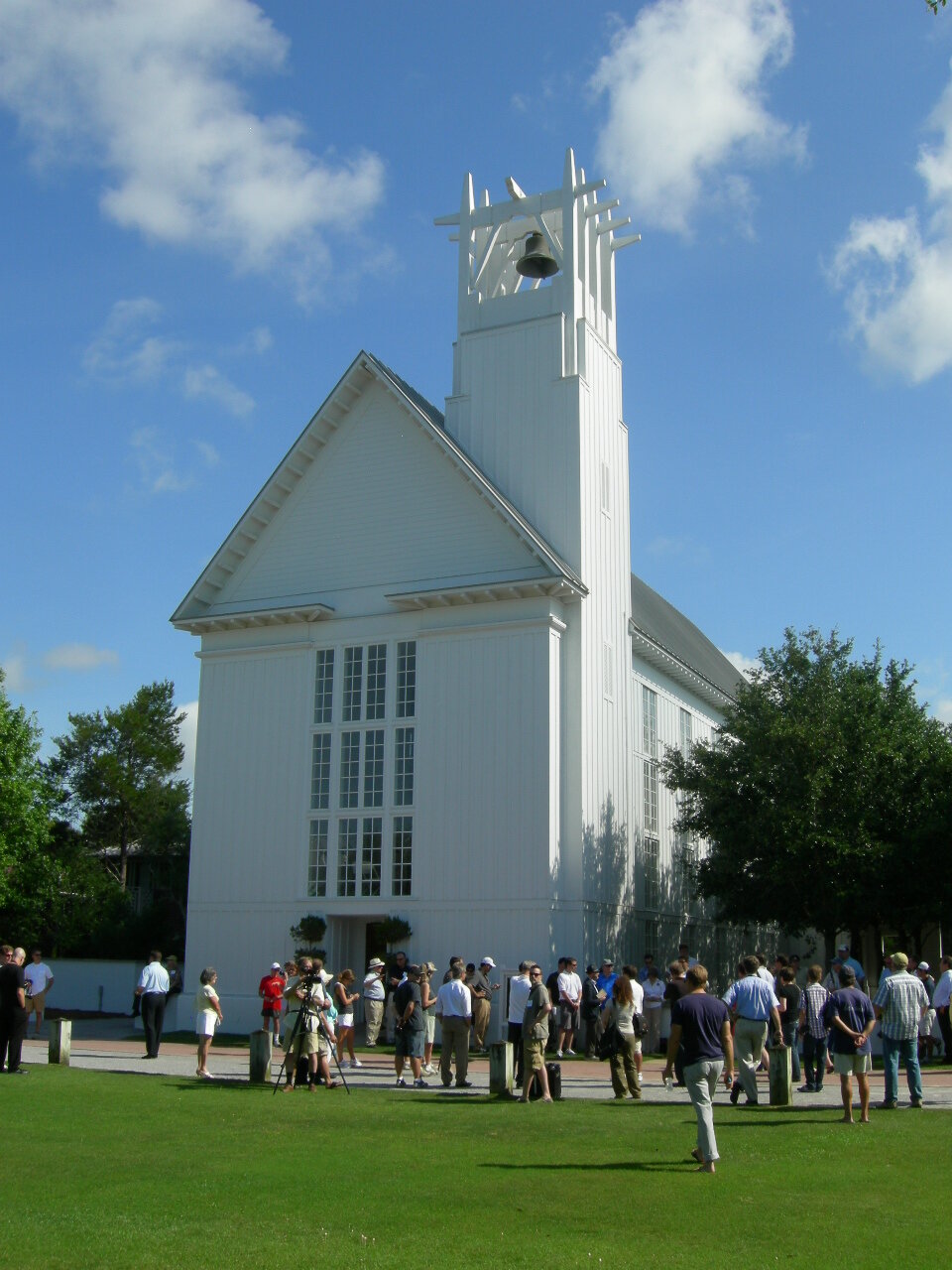
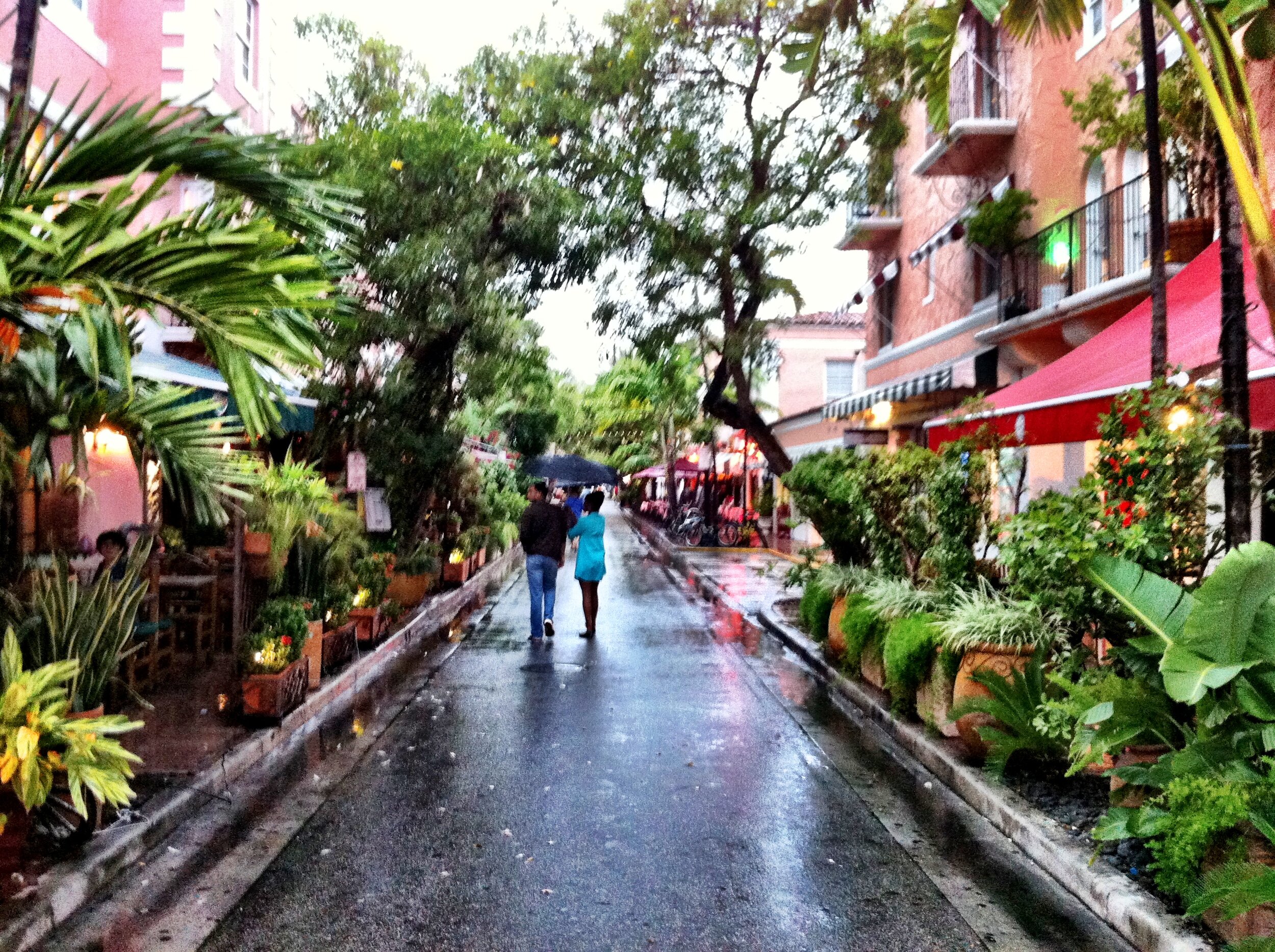
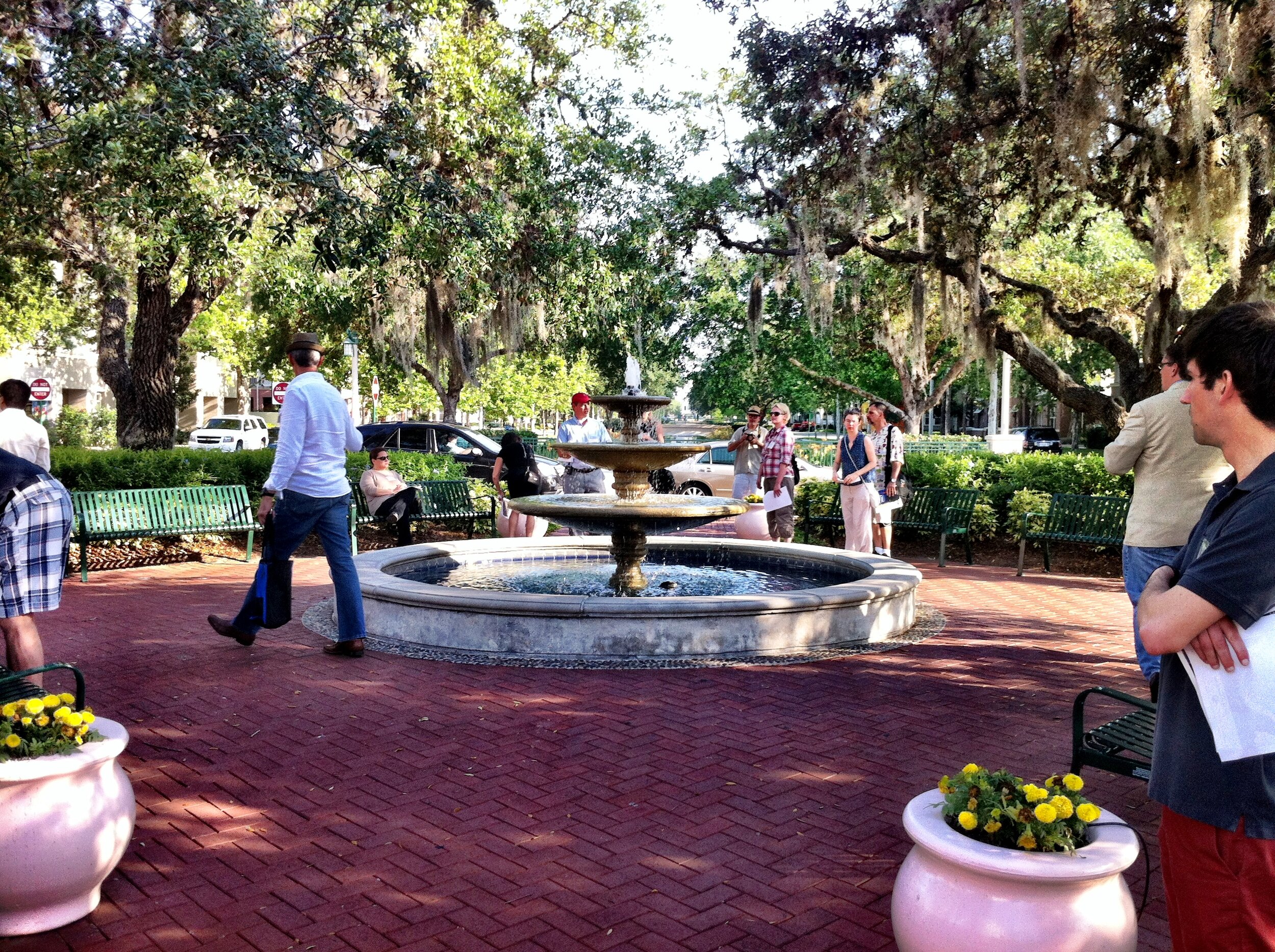
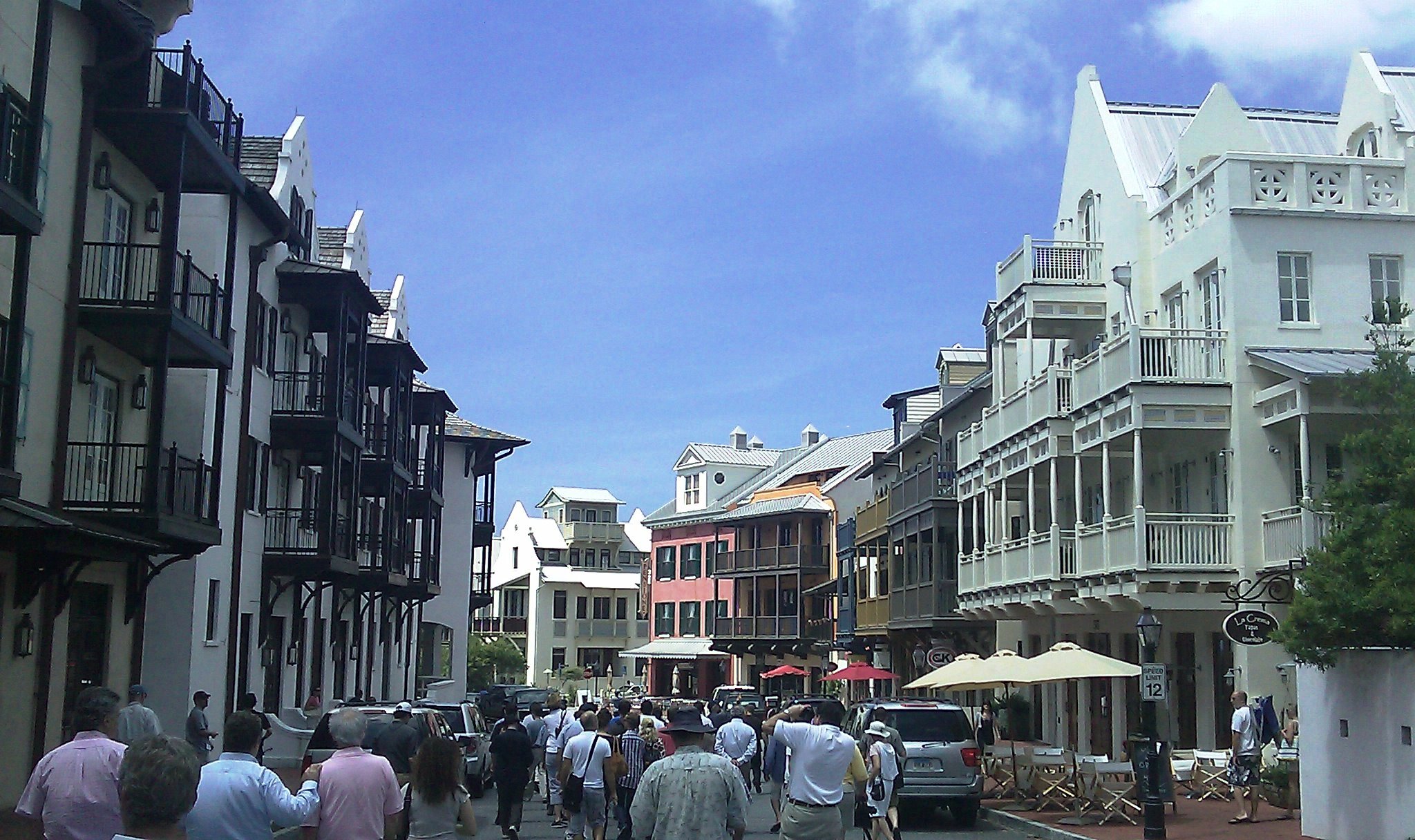
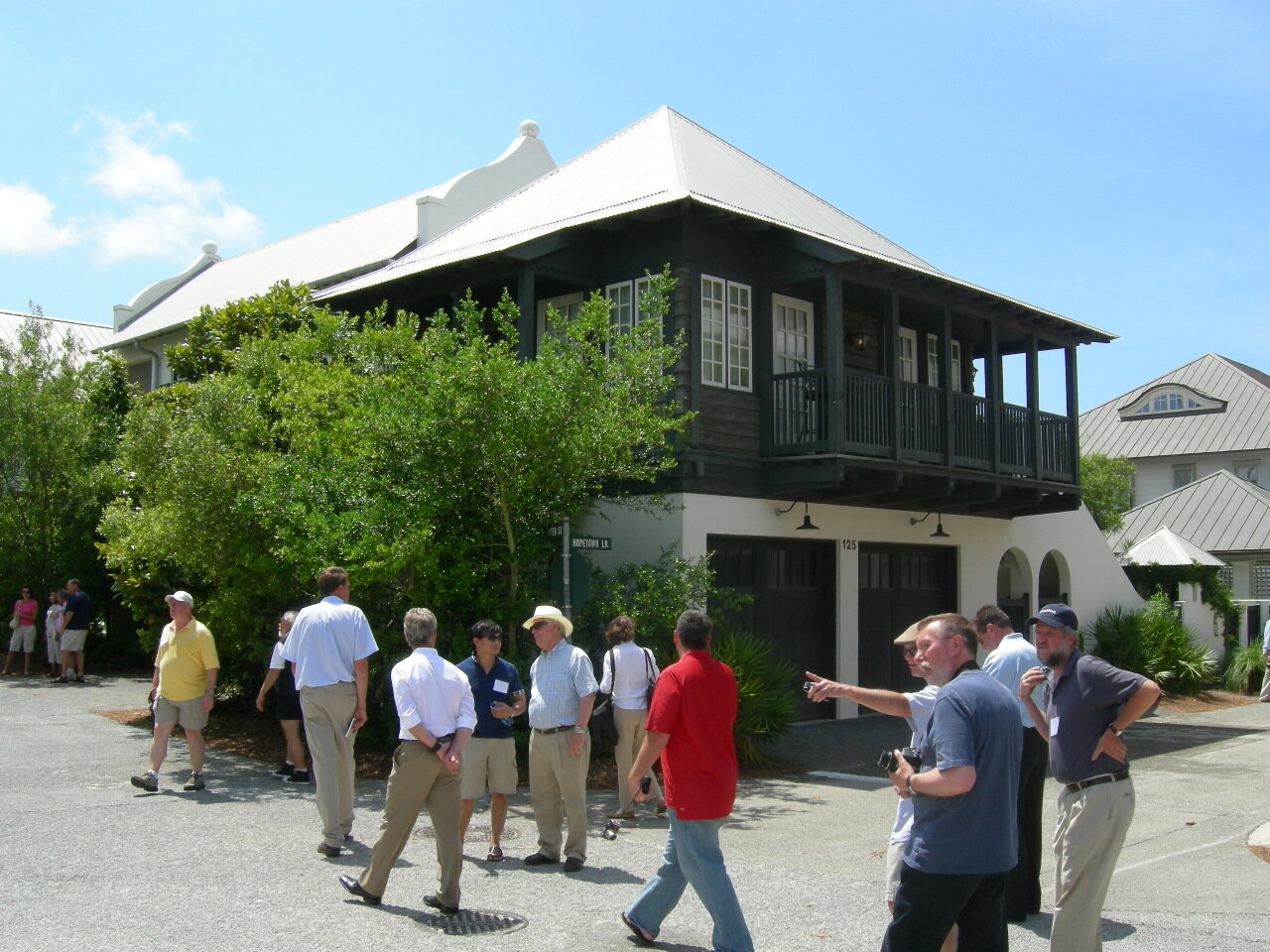
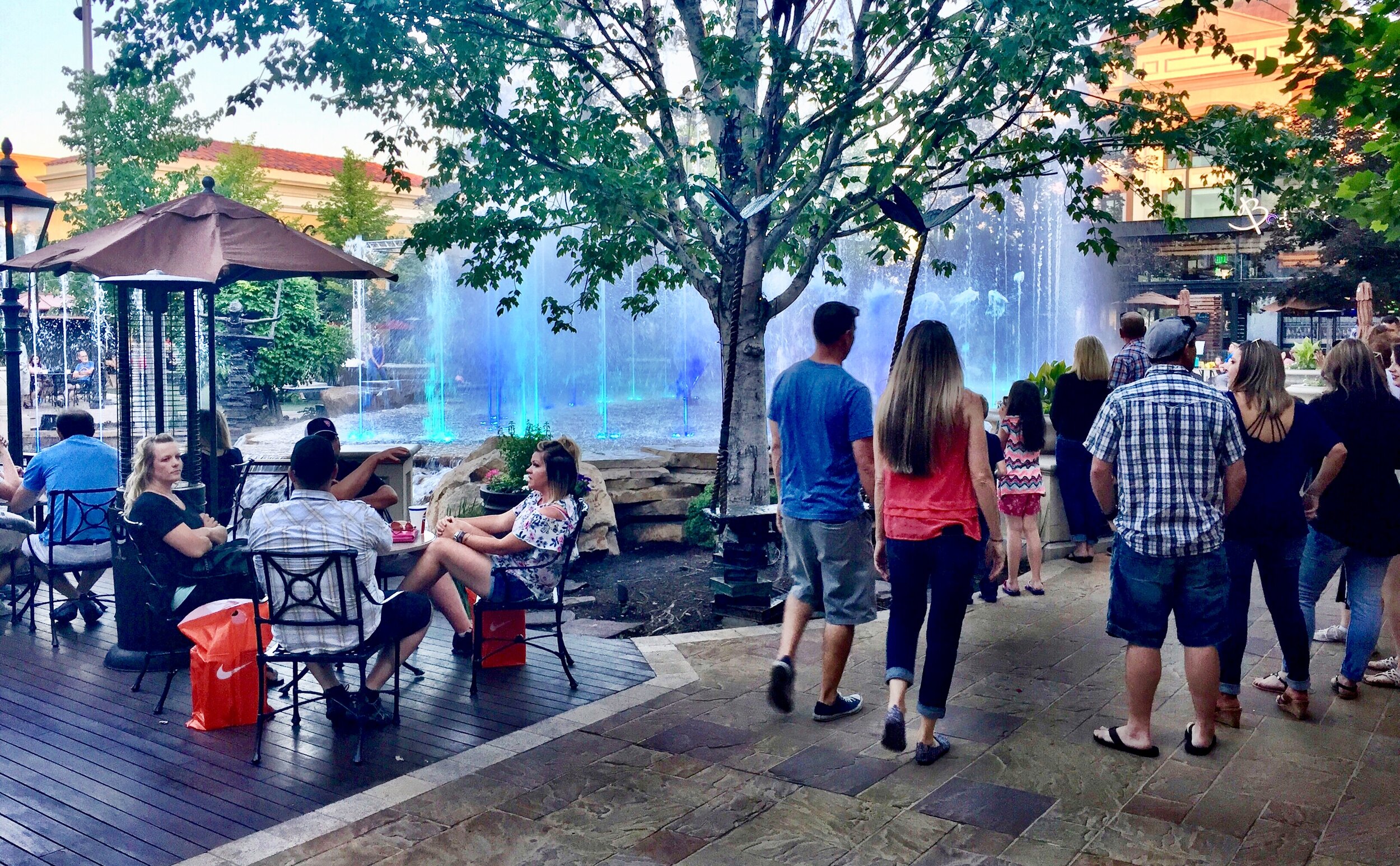
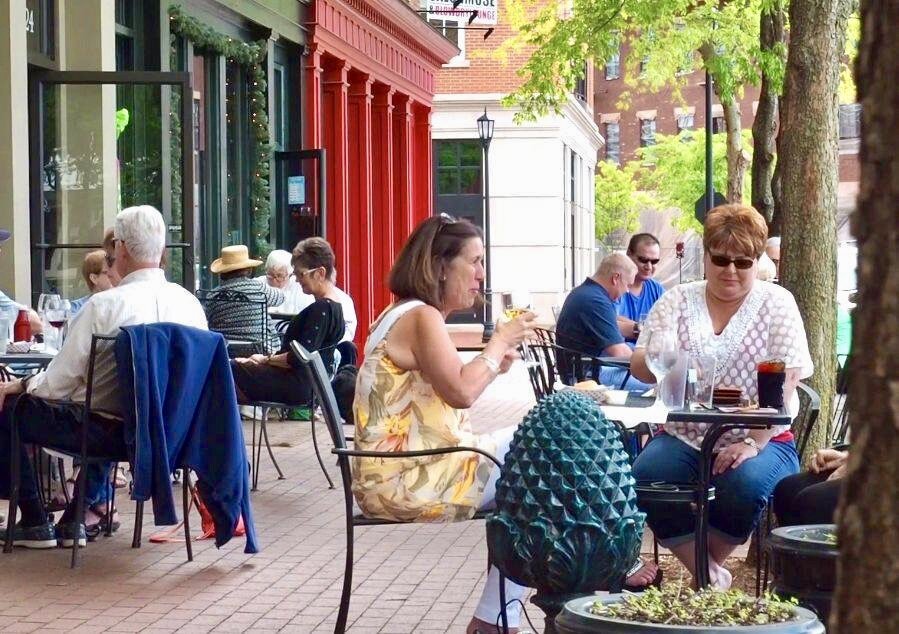
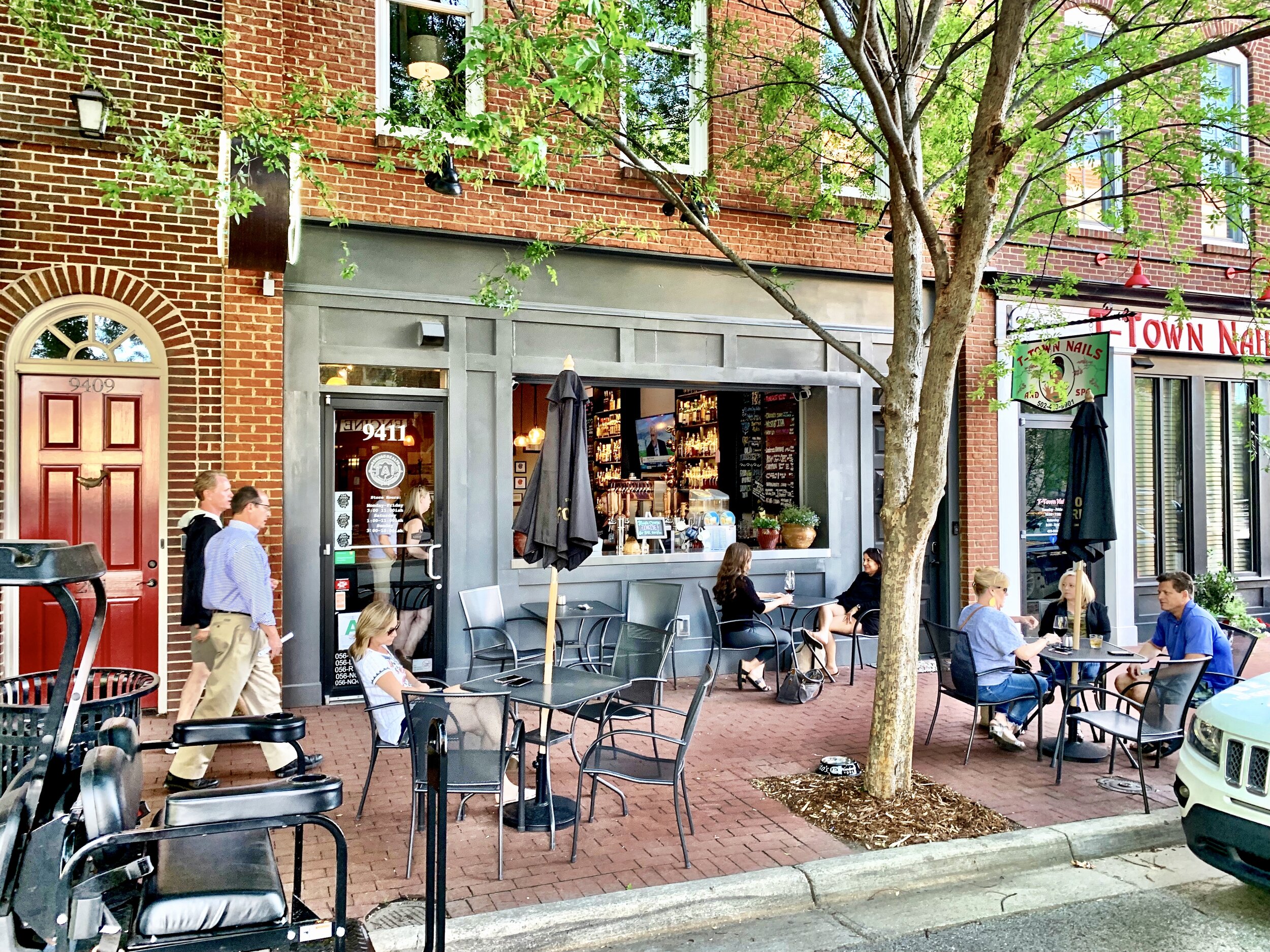
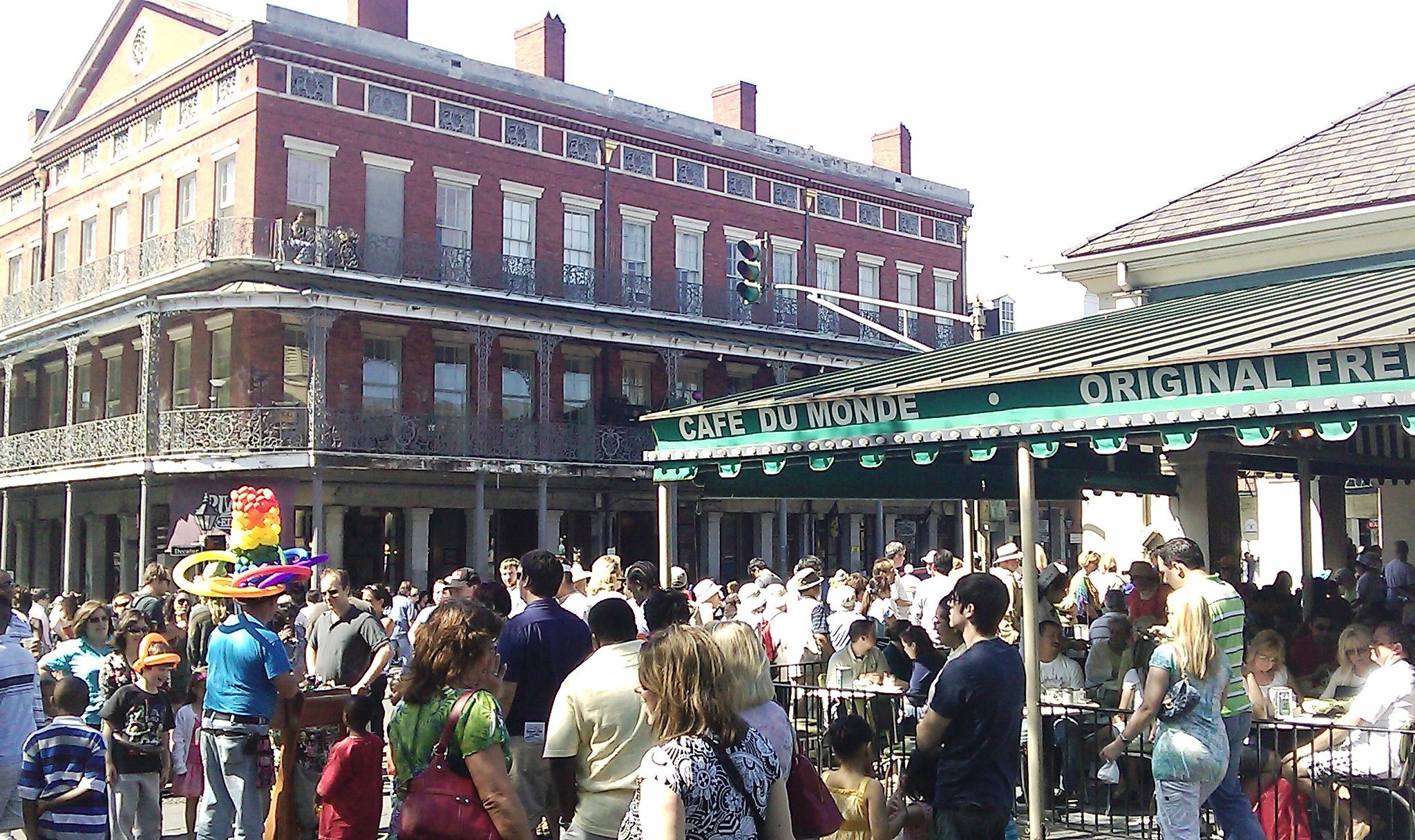
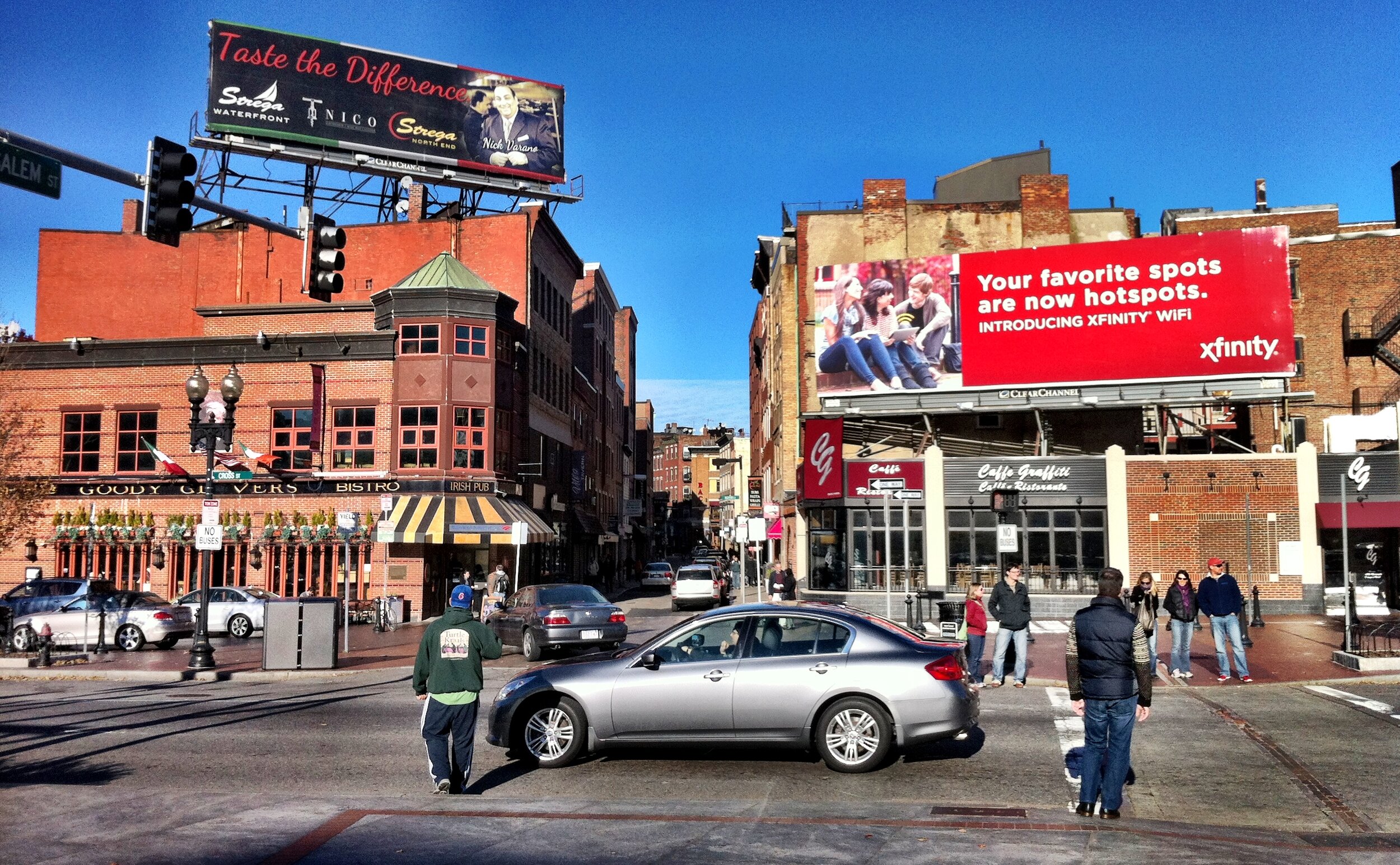
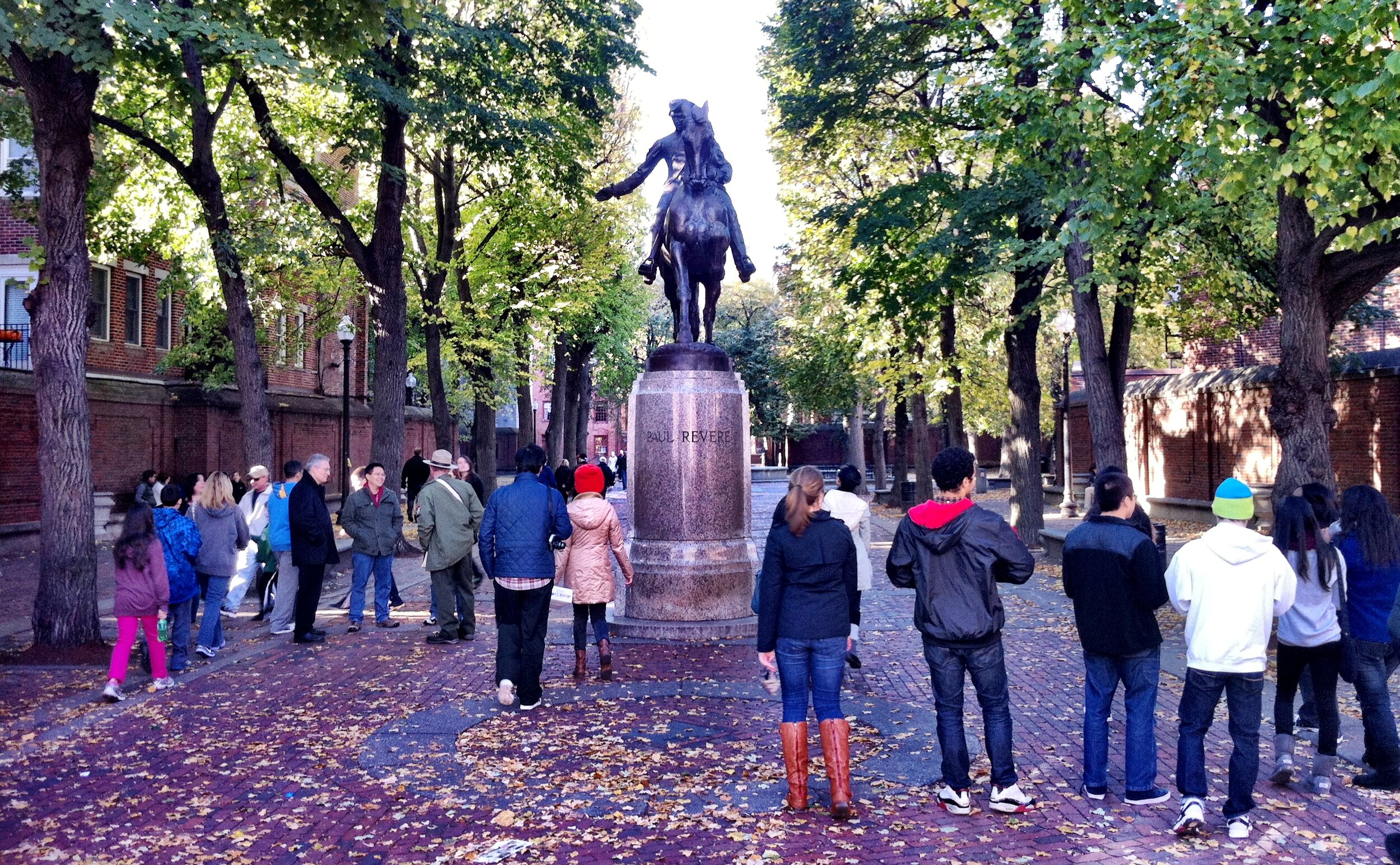
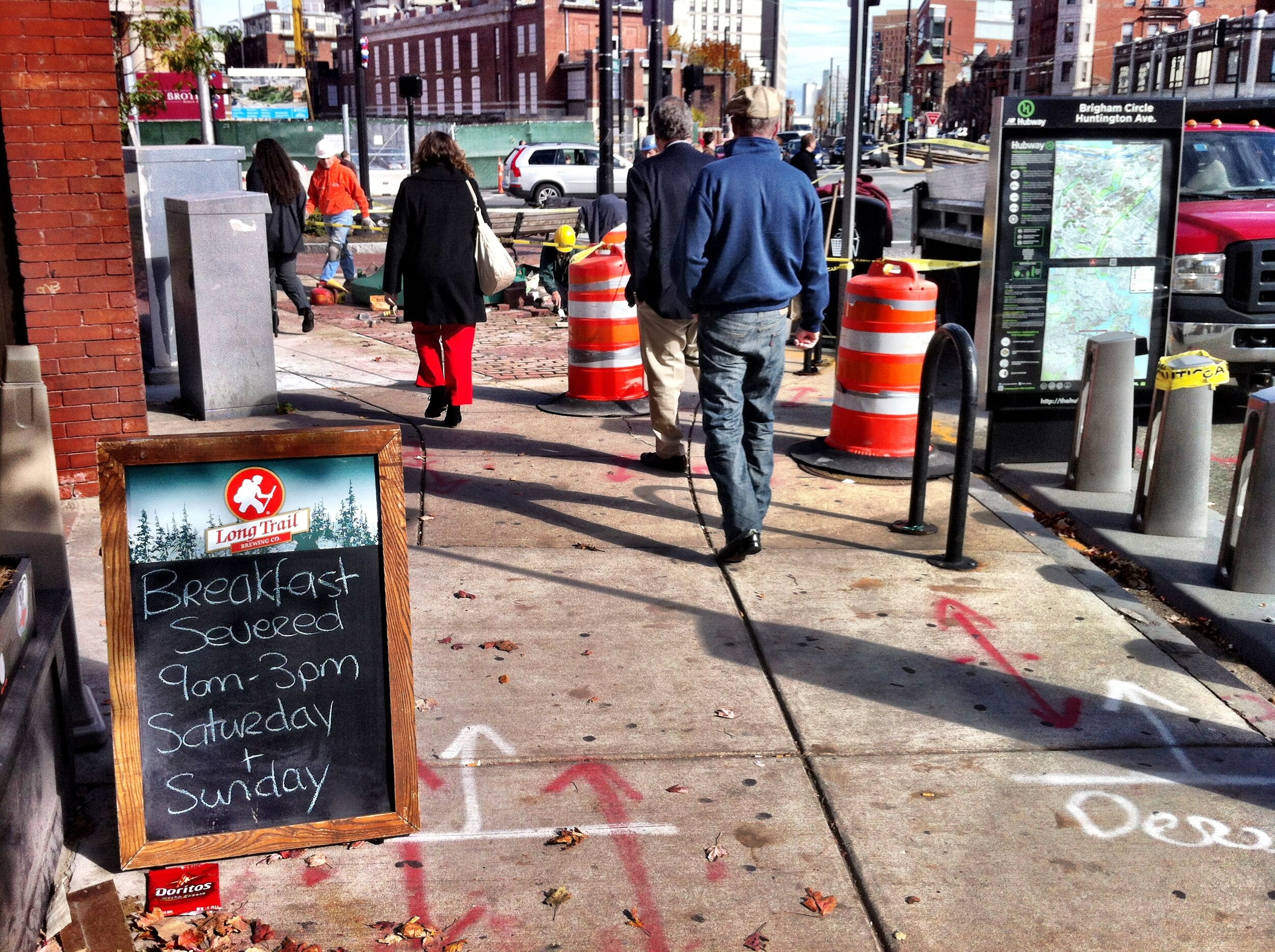
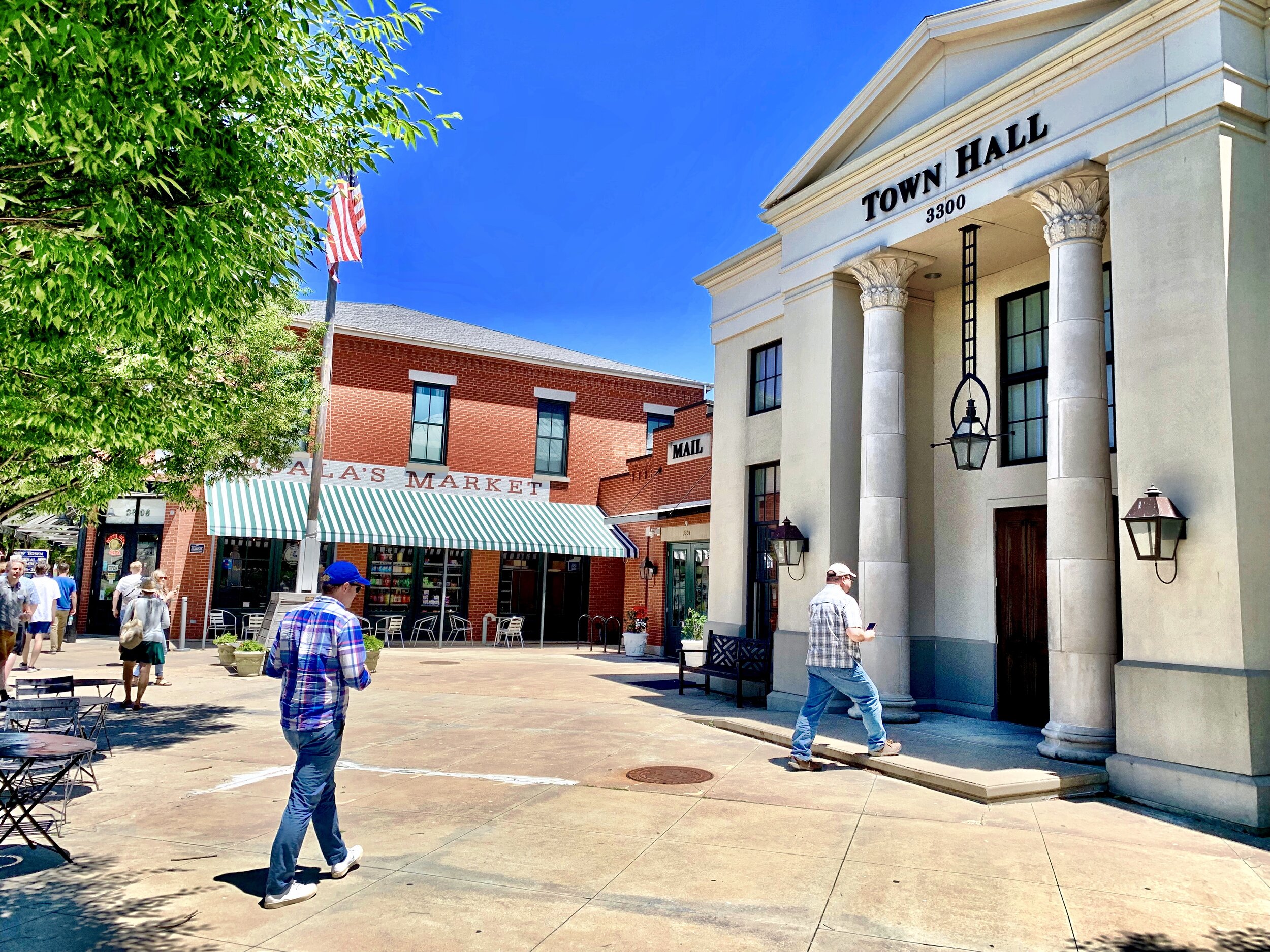
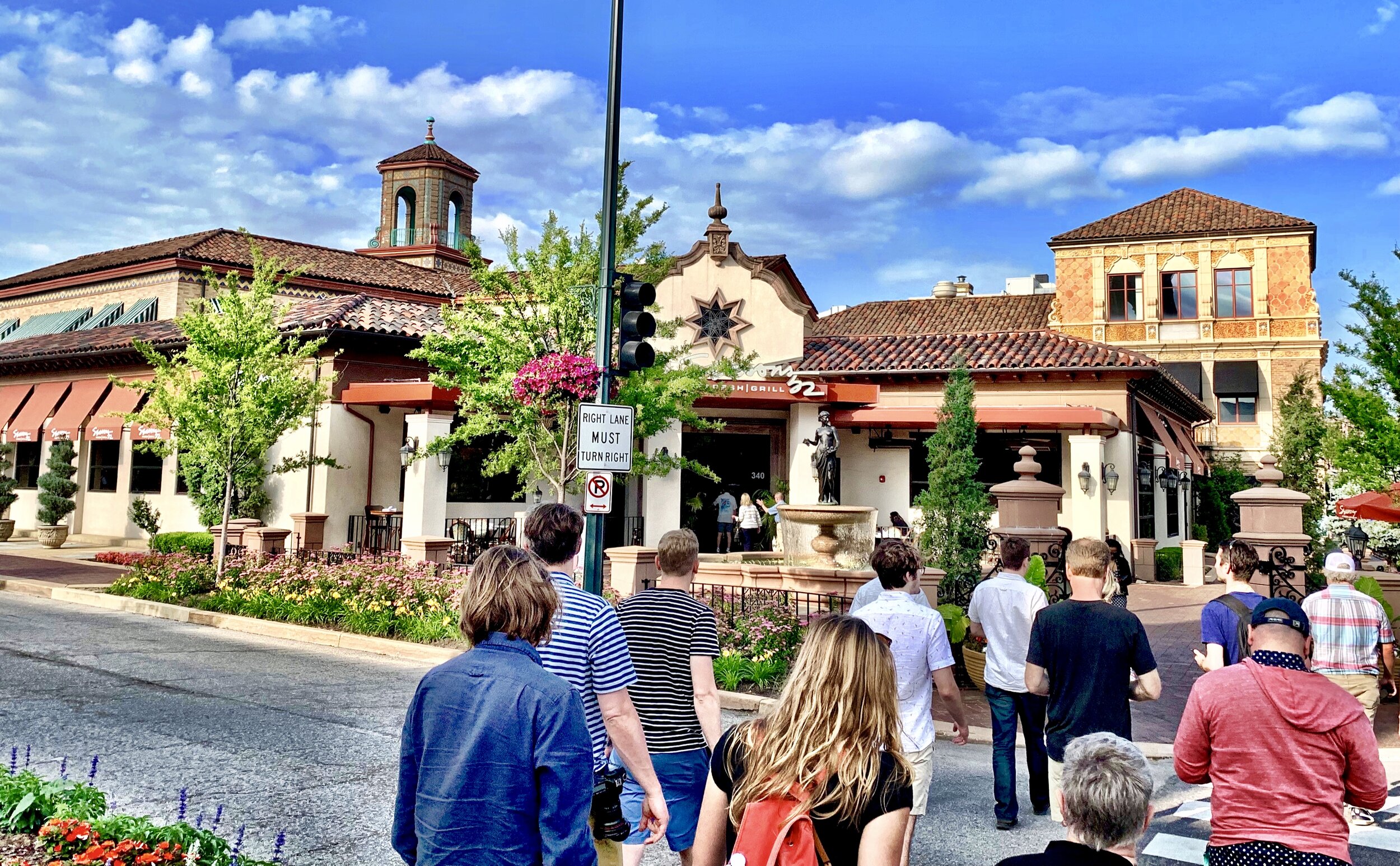
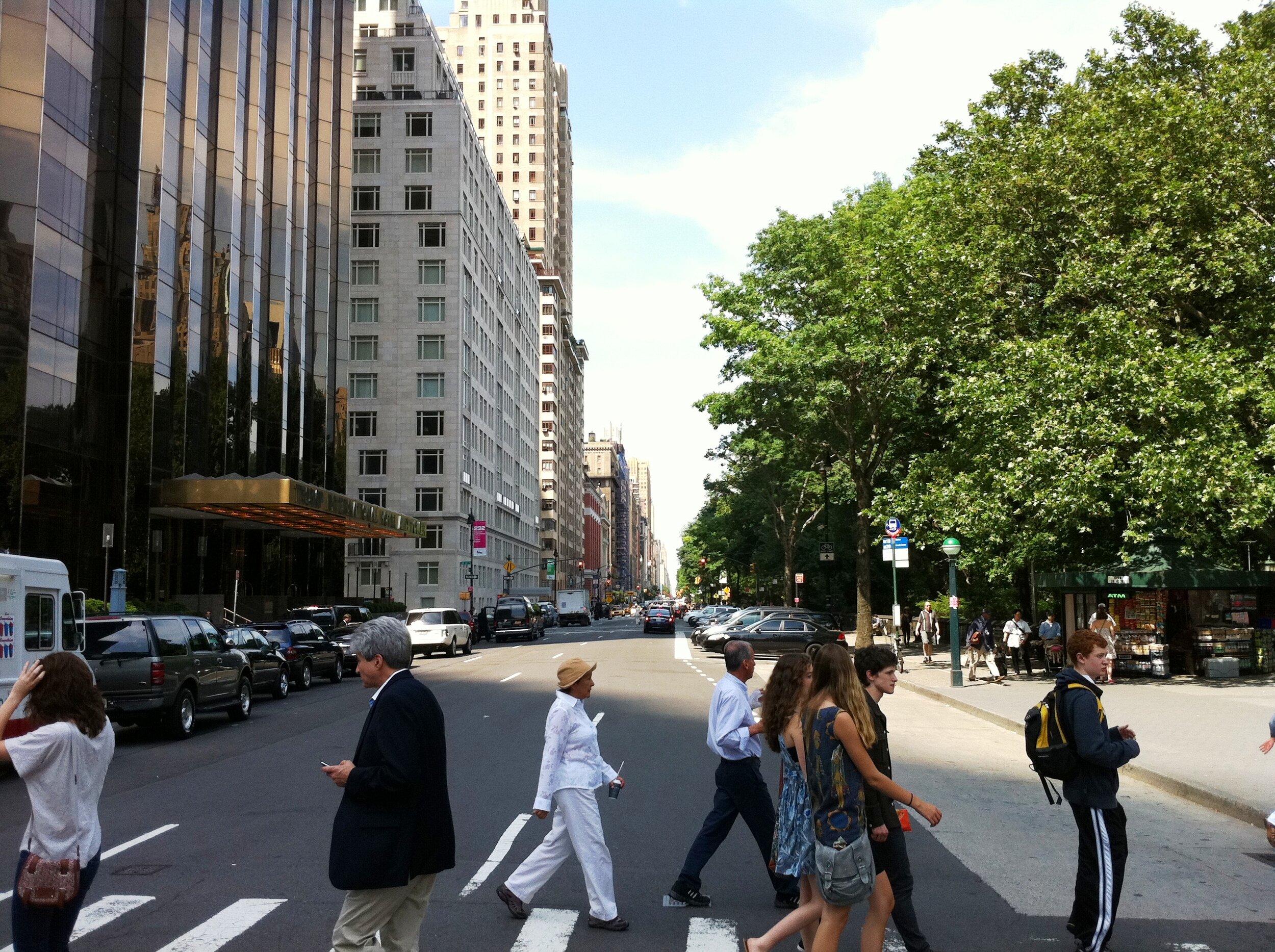

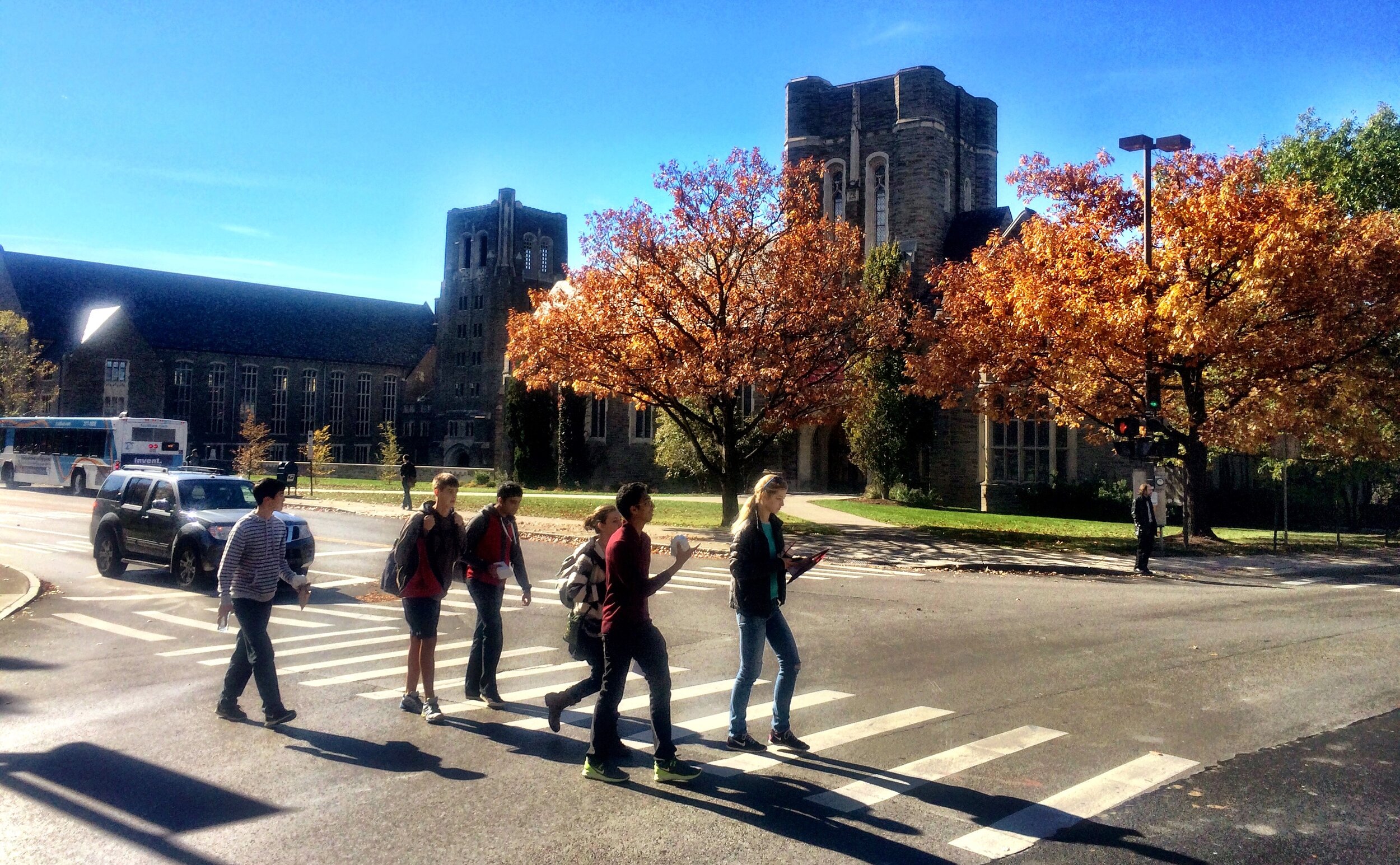
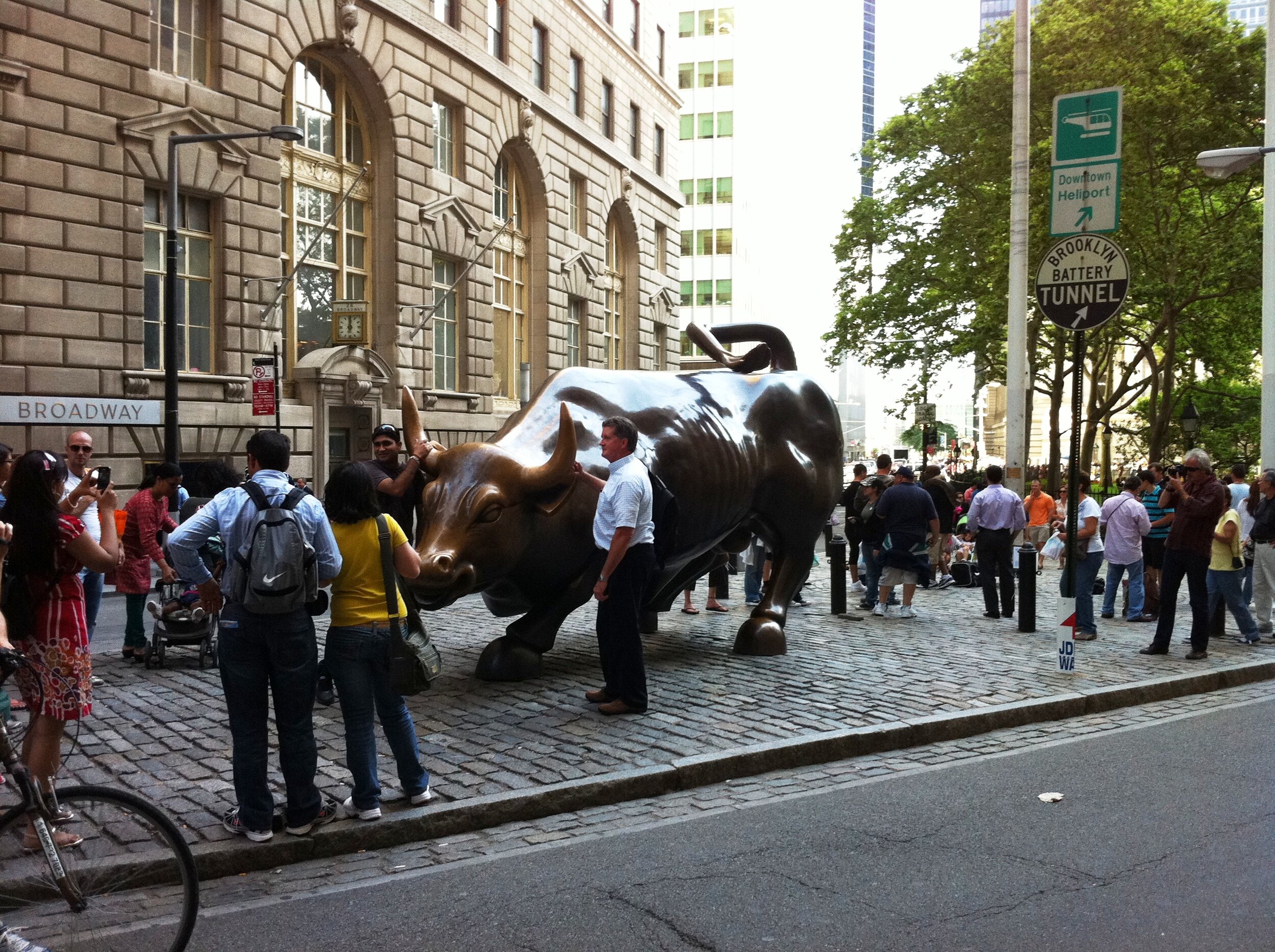
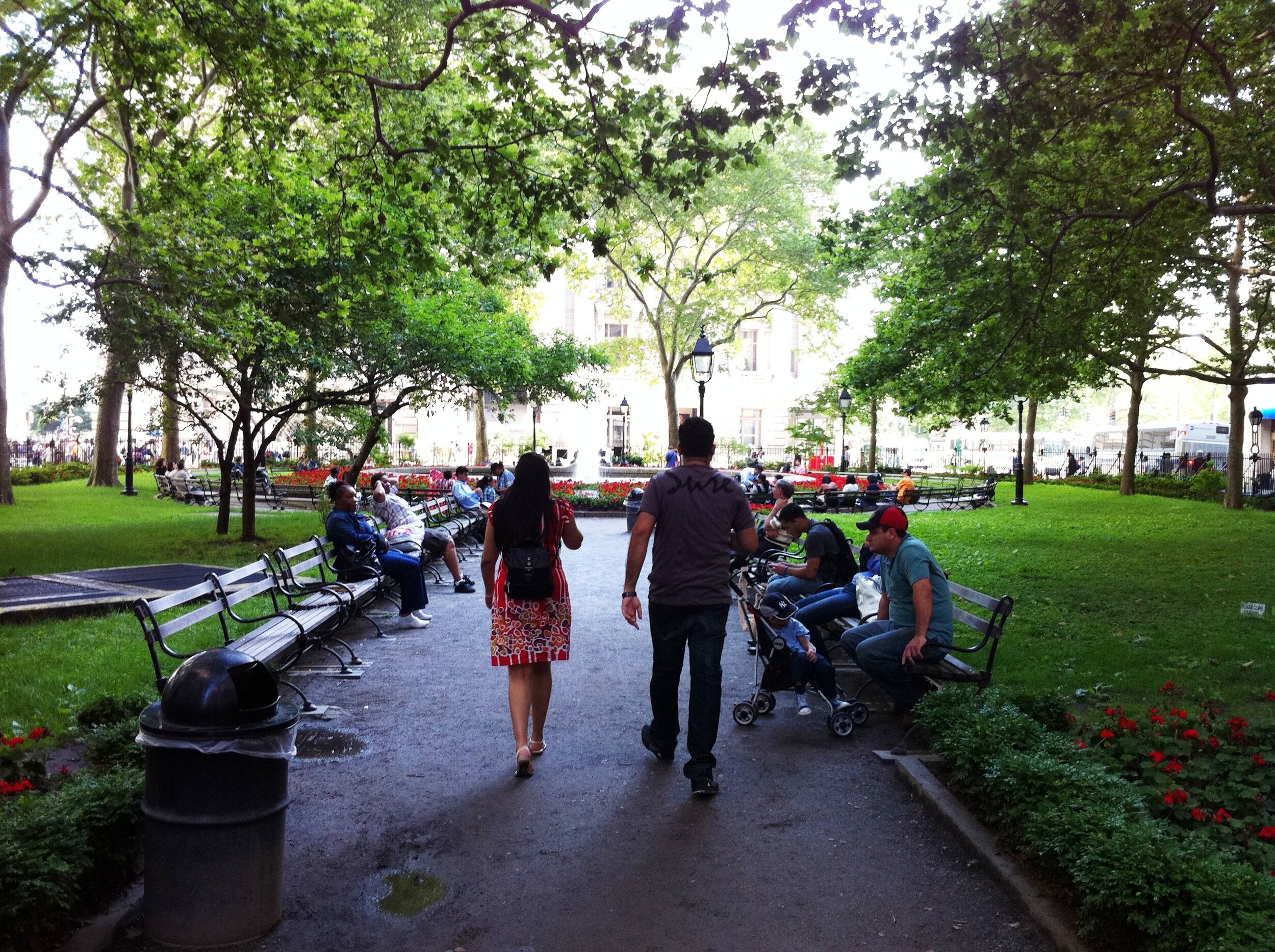
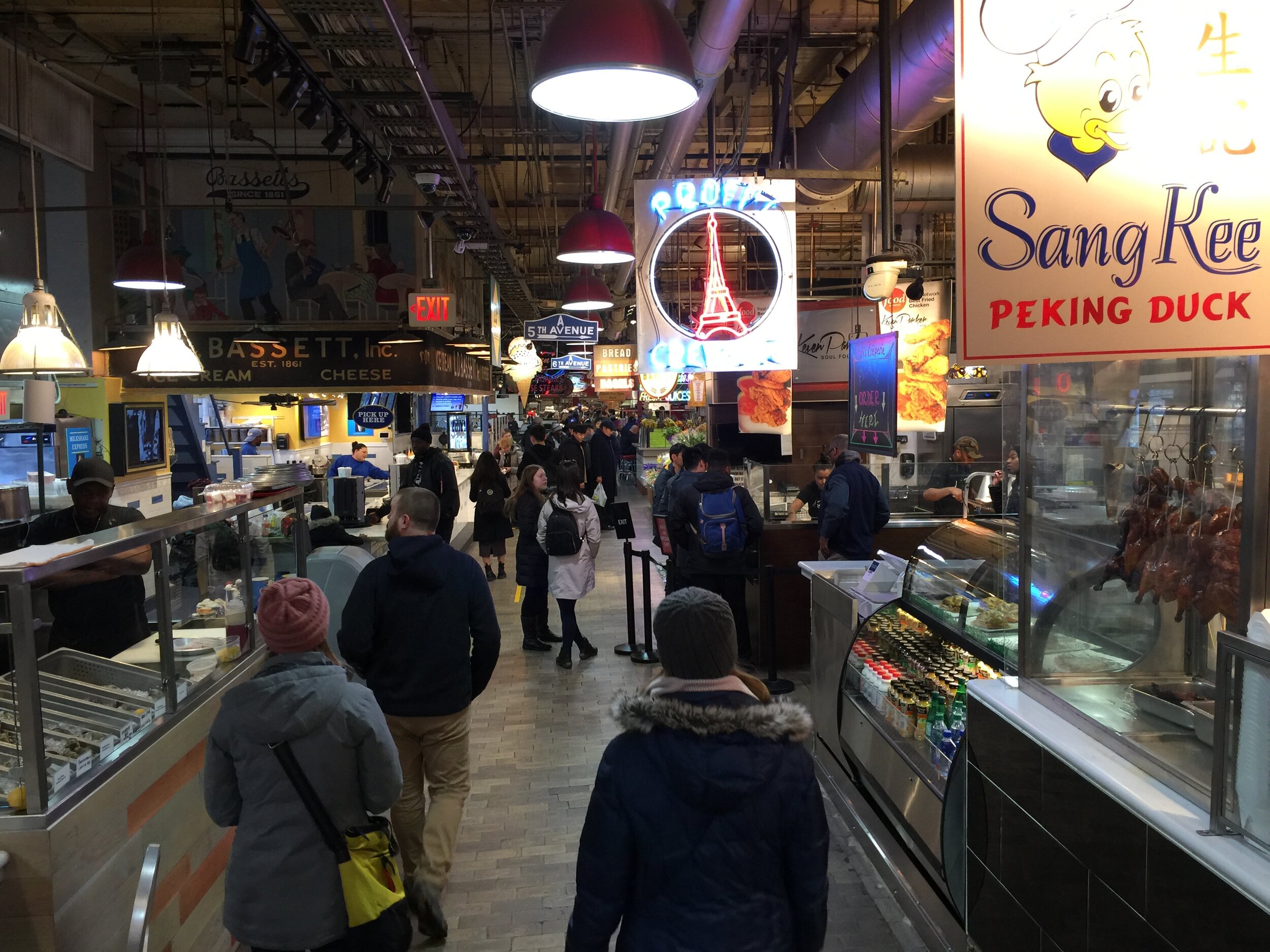
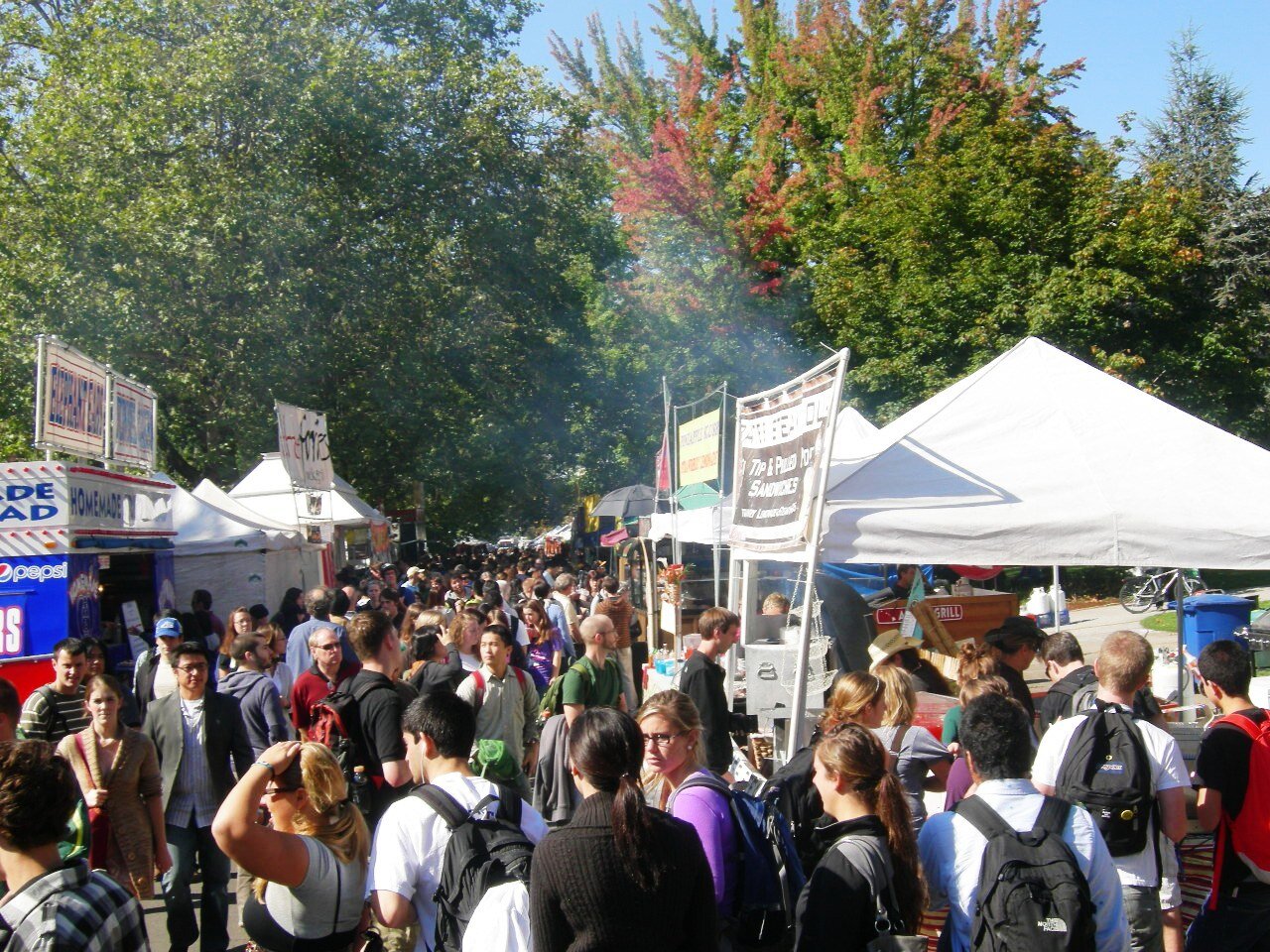
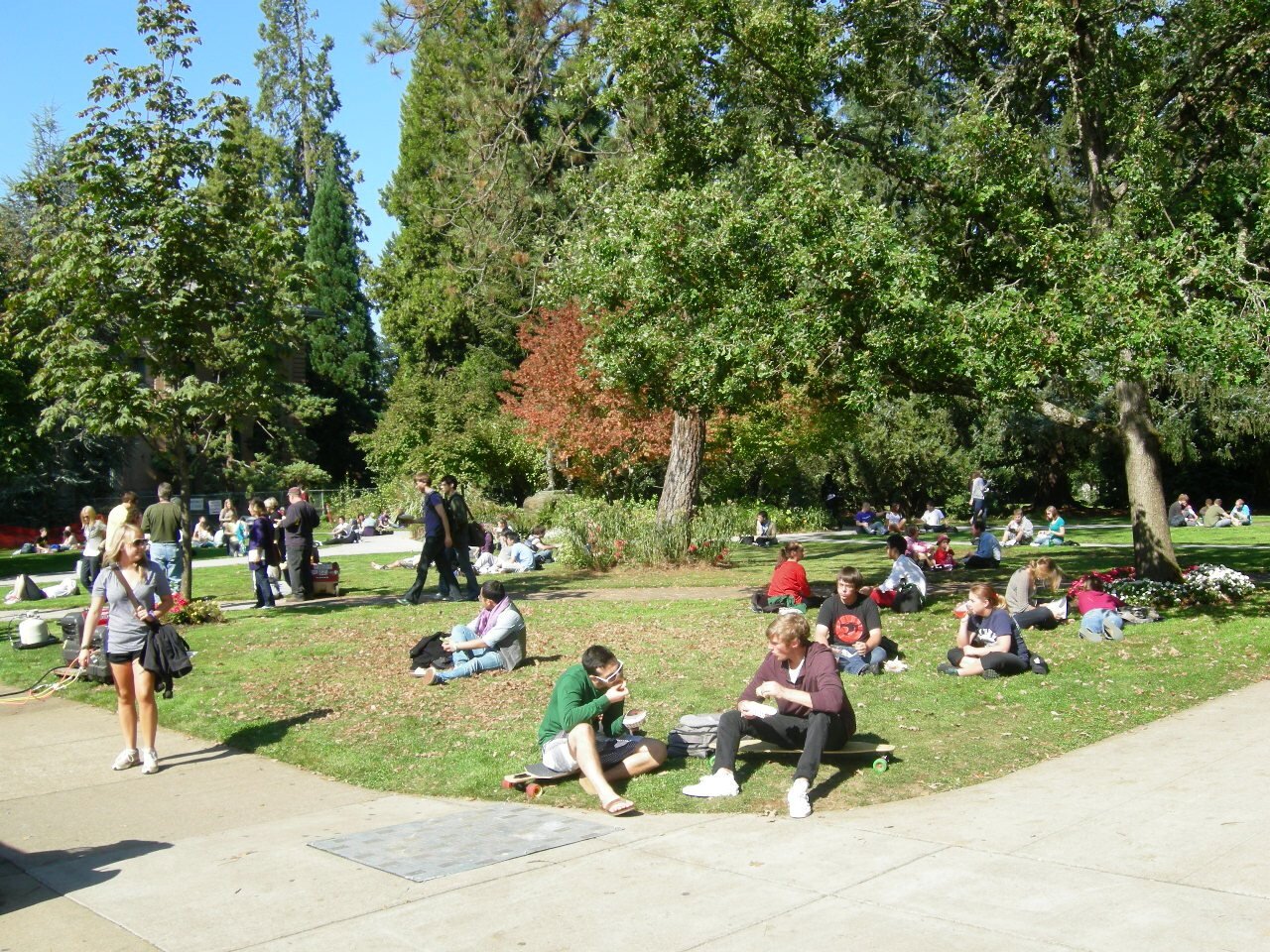
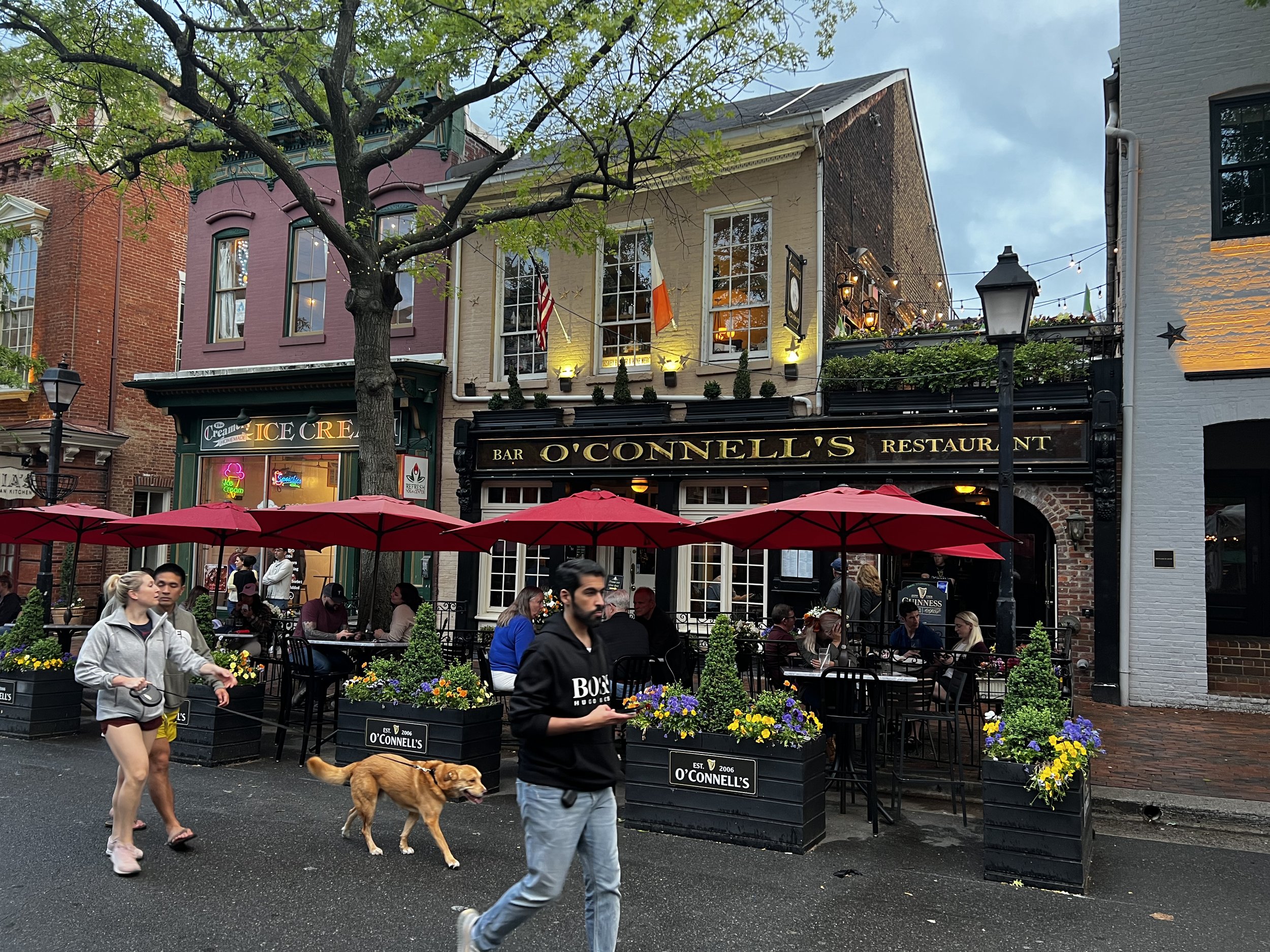
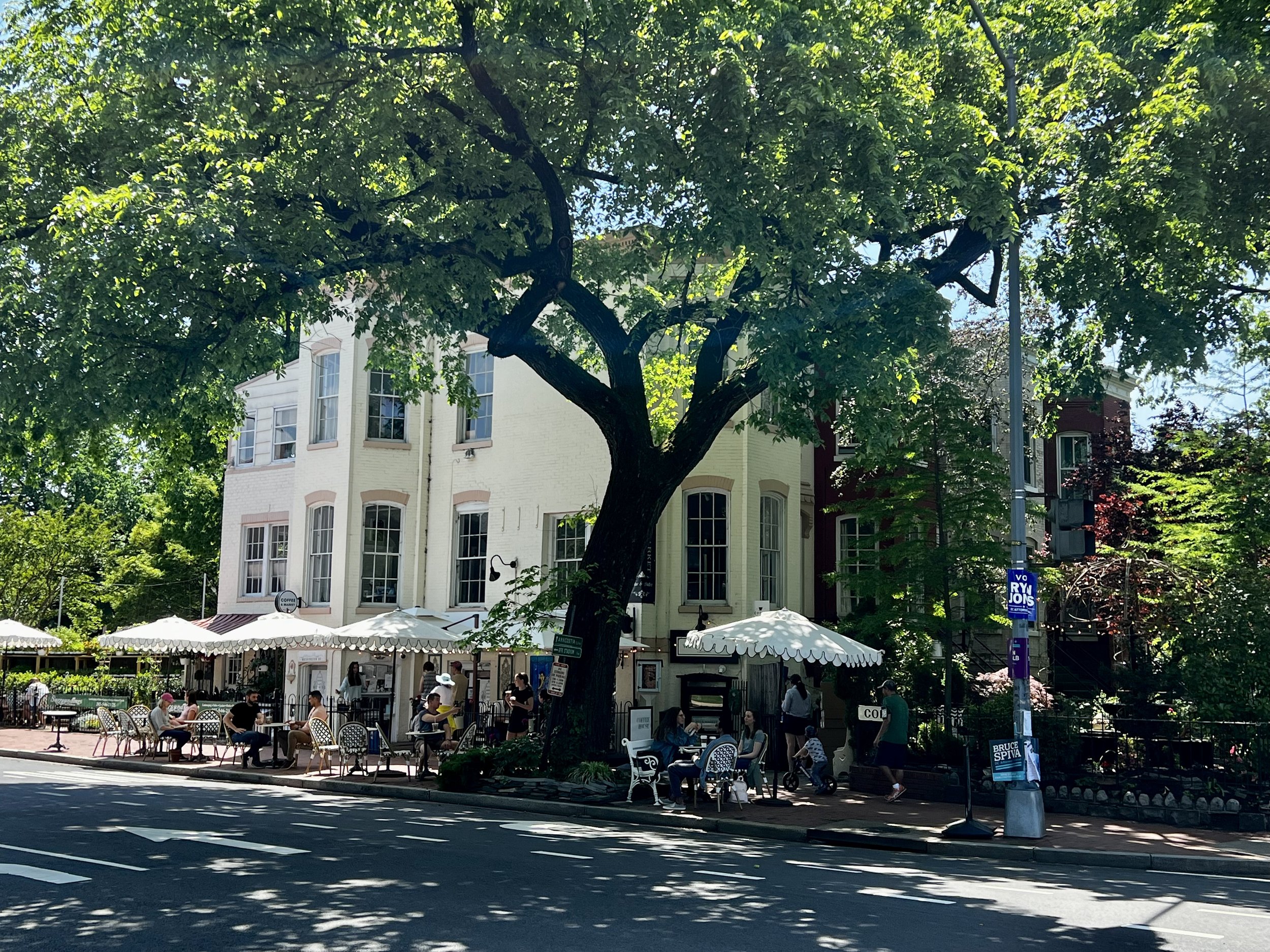
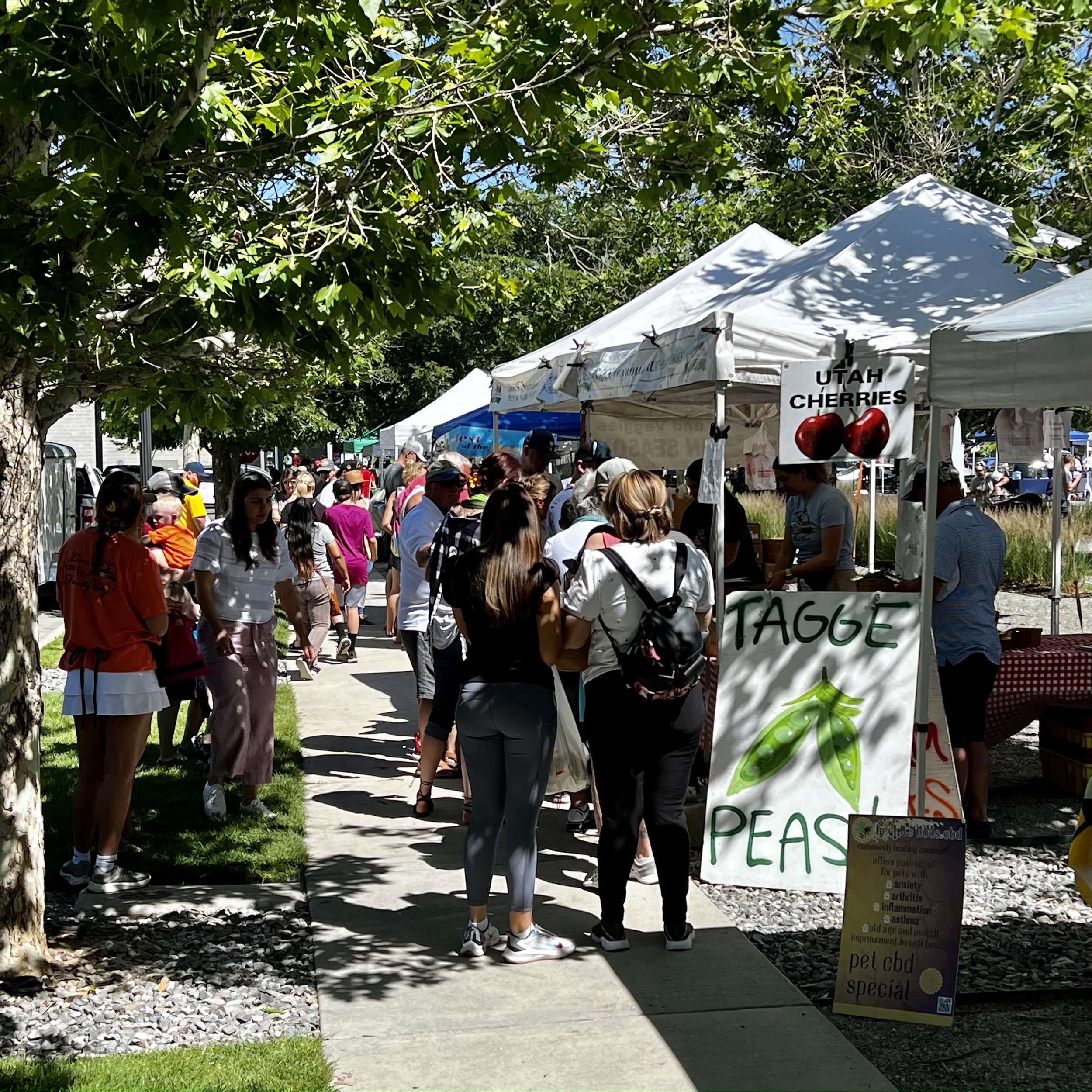
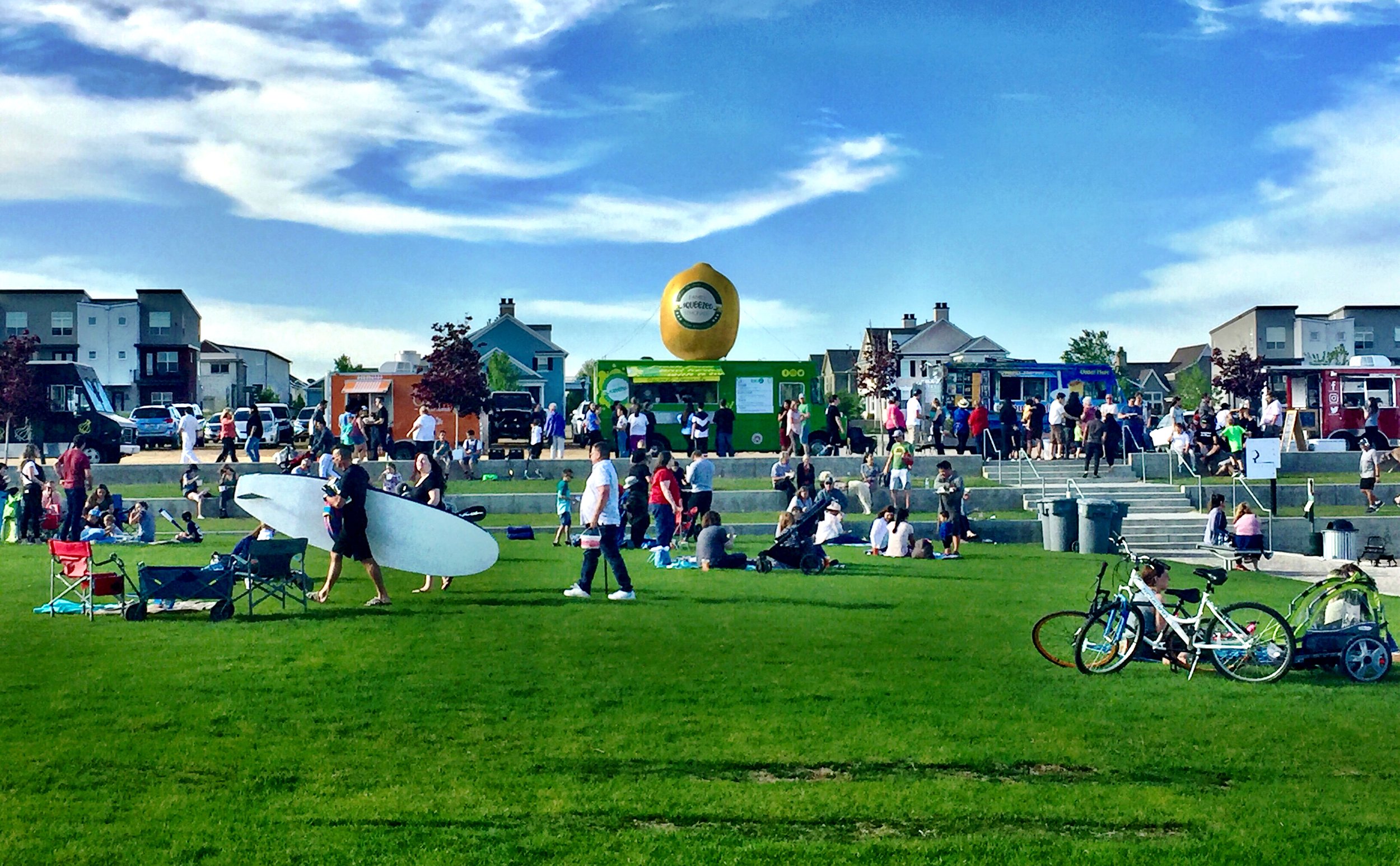
Community INSTEAD OF Commodity
Modern development too often begins with product. It asks what can be entitled, financed, engineered, built, marketed, and sold as efficiently as possible. That question matters, but it is incomplete.
A better question comes first: what kind of place are we trying to create?
When development begins only with product, the result is often fragmentation. Housing is separated from daily needs. Streets are designed primarily for movement rather than public life. Public spaces become leftover areas. Commercial uses are isolated into drive-to destinations. Civic life is treated as an amenity rather than an organizing purpose. The result may be financially efficient in the short term, but it rarely produces the kind of place that matures into a true neighborhood.
Community building requires a different sequence. It begins with the land and asks what the land can support. It studies how people will move, gather, work, shop, worship, learn, play, and age. It considers how buildings shape streets, how streets shape encounters, how daily needs shape local life, and how the pattern of development either strengthens or weakens the bonds between people.
A commodity can be consumed and replaced. A community must be cultivated.
That is the difference that guides our work.
Zoning Is DNA
Every place has a code, whether it is written or unwritten. Some of that code is found in zoning ordinances, subdivision regulations, street standards, engineering manuals, fire access requirements, parking rules, financing assumptions, and development conventions. Some of it is found in local customs, political habits, institutional memory, and market expectations.
Together, these rules and assumptions act like DNA. They carry instructions forward. They determine what is easy and what is difficult, what is legal and what is prohibited, what is financeable and what is risky, what is repeated and what disappears.
If a community repeatedly produces disconnected subdivisions, oversized roads, isolated commercial centers, missing-middle housing scarcity, fragile retail environments, and places where every daily need requires a car trip, the problem is not merely aesthetic. The problem is instructional. The system is producing what it has been coded to produce.
To change the outcome, we must examine the code.
That does not mean regulation alone can create community. It cannot. But regulation can either make community possible or make it nearly impossible. A well-formed code does not attempt to control every detail of life. Instead, it establishes the physical, legal, and civic conditions through which healthy places can emerge over time.
Zoning is DNA because it shapes the organism of the city. If we want better places, we must write better instructions.
““In a neighborhood, people buy community first and the house second.
The more a place resembles an authentic community, the more it is valued,
and one hallmark of a real place is variety.””
Our Organizing Principles
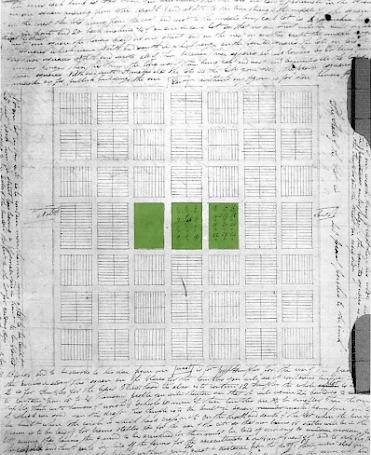
Our work is shaped by four organizing principles: the Green Triangle, the Transect, Subsidiarity, and the Plat of Zion. Each principle answers a different question about how communities are formed.
The Green Triangle asks: what must align for development to happen well?
The Transect asks: what belongs where?
Subsidiarity asks: who should decide, and at what scale?
The Plat of Zion asks: what kind of life does the settlement pattern invite people to live?
Together, these principles provide a framework for thinking about land, design, code, governance, economics, market demand, civic responsibility, and long-term community formation.



What We Mean by Community
A community is not merely a development with a name. It is not merely a subdivision, a homeowners association, a marketing identity, or a collection of rooftops.
A community is a place where the pattern of daily life creates repeated opportunities for people to know, serve, encounter, trade with, depend upon, and take responsibility for one another.
That requires more than housing. It requires streets that connect. It requires public spaces that invite use. It requires a mix of housing types that can serve different households and stages of life. It requires access to daily needs. It requires local economic opportunity. It requires buildings that shape outdoor rooms rather than isolated objects. It requires institutions, rituals, memory, and stewardship. It requires a development pattern that can adapt over time without losing its underlying order.
A strong community does not eliminate privacy. It balances privacy with shared life. It does not erase individuality. It gives individuality a setting in which it can belong. It does not require every person to live the same way. It provides a physical framework broad enough to support difference without dissolving into fragmentation.
The goal is not nostalgia. The goal is a built environment that is fit for human life now.
What This Means in Practice
Our approach to community planning, design, and development is practical. We begin by studying the land, the market, the regulatory environment, the infrastructure, the surrounding context, and the long-term civic purpose of the place.
We ask what the land is capable of supporting. We ask what the community needs. We ask what the market is signaling but may not yet be able to deliver. We ask where policy is helping or hindering the desired outcome. We ask whether the economics support a durable place or merely a short-term product. We ask what code changes, design moves, phasing strategies, or implementation tools may be necessary to move from vision to reality.
The work may involve planning. It may involve zoning reform. It may involve development strategy, site design, entitlement support, neighborhood structure, mixed-use feasibility, code calibration, or implementation guidance. But the purpose is consistent: to help align the forces that shape the built environment so that better communities can be delivered.
We believe good community building must be both visionary and disciplined. It must be able to speak about beauty, belonging, and civic life, while also dealing honestly with infrastructure, approvals, financing, market demand, and construction cost.
A place that cannot be delivered remains an idea. A place that can be delivered but cannot endure remains a product. The work is to create places that can be delivered and endure.
A Better Pattern of Growth
Growth is often treated as a threat because too much of what we have built has weakened rather than strengthened the places around it. New development has often meant more traffic, more separation, more infrastructure burden, more sameness, and more pressure on existing communities without a corresponding increase in shared value.
But growth does not have to work that way.
When development is properly ordered, each new increment can add to the whole. A new home can support a local shop. A new shop can support a walkable street. A new street can connect existing neighborhoods. A new civic space can create a gathering place. A new housing type can allow someone to stay in the community through a different stage of life. A new block can complete a missing piece of the urban fabric.
The issue is not simply whether a community grows. The issue is whether growth is shaped by a pattern that produces shared benefit.
Good growth should make a place more complete. It should increase access, choice, connection, resilience, and local value. It should respect the natural setting. It should strengthen the public realm. It should create opportunities for people at different incomes and life stages. It should make daily life easier, not more fragmented.
That is the kind of growth we work to support.
Our Commitment
We are committed to helping communities recover the relationship between land, design, code, economics, and civic life.
We believe that the built environment should be judged by more than short-term production. It should be judged by the life it makes possible. It should be judged by whether it supports connection, responsibility, adaptability, beauty, local enterprise, environmental fit, and long-term value.
We believe communities need places where people can belong, not merely products they can purchase. We believe zoning and development rules should make good places easier to build, not harder. We believe markets can respond to better choices when those choices are allowed, designed, financed, and delivered well. We believe the pattern of settlement matters because the pattern of settlement shapes the pattern of life.
Commun1tyONE exists to help create, build, and deliver communities worthy of the people who will inherit them.
““When selling community it must be done through emphasizing inclusiveness and neighborhood,
because every new home adds to the amenity when it’s done.
Since conventional suburban development instead emphasizes exclusivity and privacy,
every new home instead is perceived as a threat.””