

Settlement Patterns Shape Human Life
The relationship between people and place has long been understood, even if it is not always applied with the seriousness it deserves. The places we build and inhabit shape the way we live. They influence our habits, relationships, responsibilities, sense of belonging, and understanding of community.
At the same time, people also shape place. Our customs, buildings, institutions, faith, commerce, family patterns, civic practices, and daily routines leave marks on the landscape. Place forms people, and people form place.
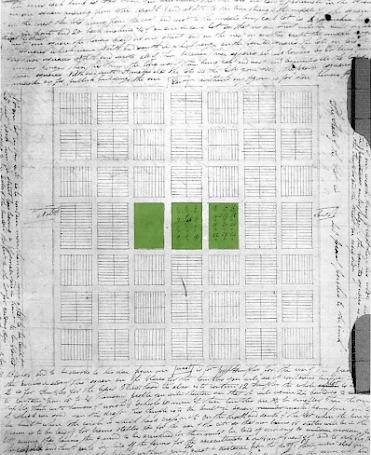
The Plat of Zion is one historic example of this reciprocal relationship between settlement and formation. It was not simply a land plan. It was a proposal for how a community might be physically ordered to support a shared way of life. Its arrangement of blocks, lots, streets, public buildings, agriculture, civic uses, and expansion reflected an understanding that physical form carries social meaning.
That insight remains important.
Every settlement pattern contains an idea of life. A disconnected subdivision contains one idea. A walkable neighborhood contains another. A main street, a village green, a courtyard, a porch-lined street, a civic square, a market hall, a school within walking distance, or a block with a mix of homes and daily needs all suggest different patterns of encounter, responsibility, and belonging.
This does not mean physical design can manufacture community by itself. It cannot. Buildings do not love their neighbors. Streets do not create virtue. Codes do not produce trust automatically. But the physical environment can either support the conditions under which community becomes more likely, or it can make those conditions unnecessarily difficult.
A settlement pattern can shorten distances or lengthen them. It can invite public life or privatize it. It can make daily needs accessible or remote. It can support many household types or only a narrow few. It can make aging in place possible or force people to leave when life changes. It can allow small businesses to begin or require every enterprise to arrive fully capitalized. It can give children, elders, families, singles, workers, and neighbors a shared environment, or it can separate them into isolated compartments.
The Plat of Zion reminds us that physical planning is never only technical. It is formative. The arrangement of land is also an arrangement of relationships.